Learn free · topic 81
Types of Architecture
In today’s hyper-competitive digital landscape, the imperative for a robust Enterprise Architecture (EA) framework cannot be overstated. For Top Management, synchronizing technological initiatives with overarching business imperatives is essential to optimizing value creation and operational efficacy.
A holistic EA framework initiates with the essential inquiry of "WHY?", the foundational rationale underpinning each initiative. By accurately revealing the purpose and securing explicit management endorsement, each project is thoroughly aligned with strategic imperatives. Comprehensive guidance is then provided on establishing precise Go-Live timelines, delineating resource requisites, and selecting optimal deployment paradigms, whether on-premises or within a Cloud ecosystem.
A robust EA framework encapsulates four pivotal architectural dimensions. Business Architecture is devoted to harmonizing business exigencies with strategic aspirations, facilitating the development of cogent business strategies, models, and processes that engender substantial value for stakeholders. Data Architecture is predicated on the meticulous organization and management of data, fostering the creation of sophisticated data models, definitions, and flows that yield actionable insights and inform strategic decision-making. Application Architecture addresses application requisites, ensuring that enterprise systems and databases are finely tuned for peak performance and functional integrity, thereby augmenting value for end-users. Lastly, Technical Architecture concentrates on the deployment of requisite physical infrastructure, fortified security protocols, and advanced network solutions to support the technical landscape and 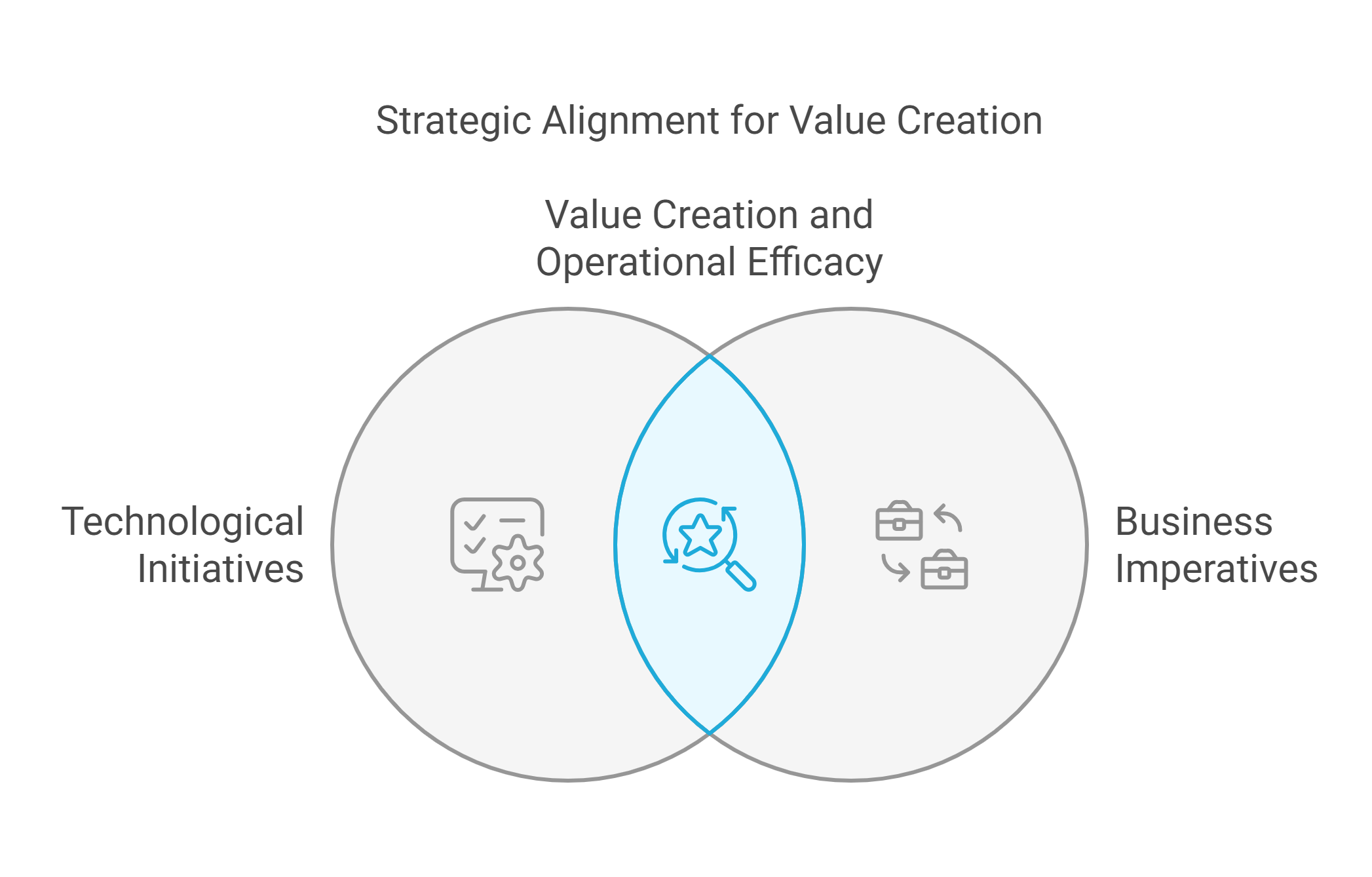
Leveraging a tailored EA framework empowers organizations to unlock their full potential, ensuring a coherent, integrated approach to achieving strategic objectives and navigating the complexities of the modern digital landscape.
The first thing one must understand is, Enterprise Architecture Framework and how many types of architecture are there in an organization?
Enterprise Architecture Framework
To work on any type of architecture, one must create and follow a framework. Following is the famous dimension to work on. One must find all the answers for all the above dimensions. As you can see, any project, any product and solution start with the question WHY, means why a solution is required. Without finding the answer of WHY, management will not approve the initiative. The next question will be when it will Go-Live. Then internal and external resource requirements will be discussed. Then management will ask, the solution will be implemented on physical servers or on Cloud (private, public or hybrid)? Then how it will be implemented and last but not the least what will be implemented like requirements analysis, data models, list of inventories etc.
There are four types of architecture.
- Business Architecture
- Data Architecture
- Application Architecture
- Technical Architecture
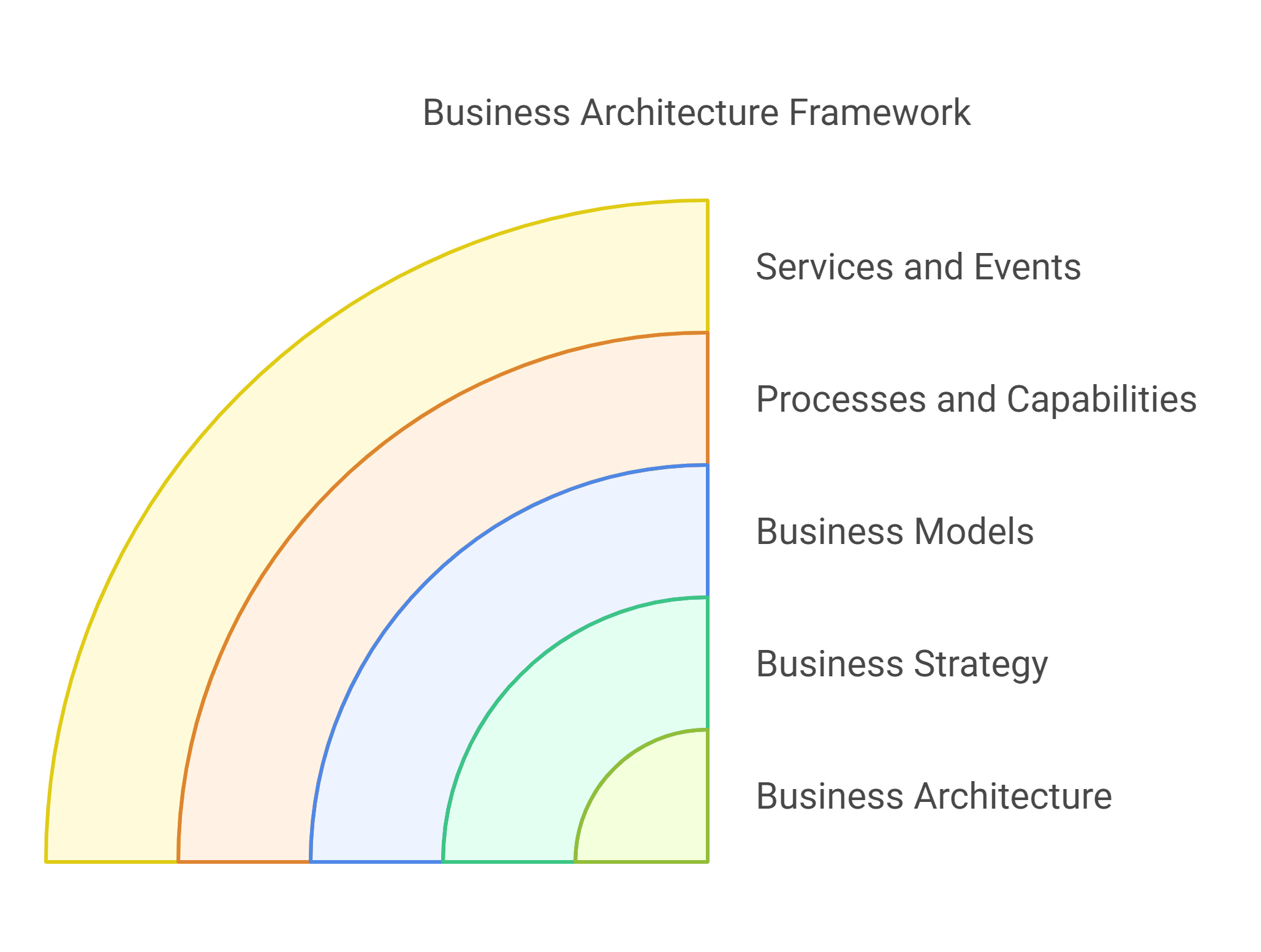
In business architecture, the focus is on business requirements and to create value for business users and customers. Below is the list of activities business architecture touch-base.
- Business Strategy
- Business Models
- Processes and Capabilities
- Services and Events
- Create Business Requirements
- Involve Business Analyst, Business Architects, Business Data Stewards etc.
Data Architecture
In data architecture, the focus is on data requirement and to create value for data consumers. Below is the list of activities data architecture touch-base.
- Organize and Manage data
Data Models
- Data Definitions
- Data Mapping Documents
- Data Flows
- Data Structures
- Organize data created by business architecture.
- Data Architects
- Data Modelers
- Data Stewards
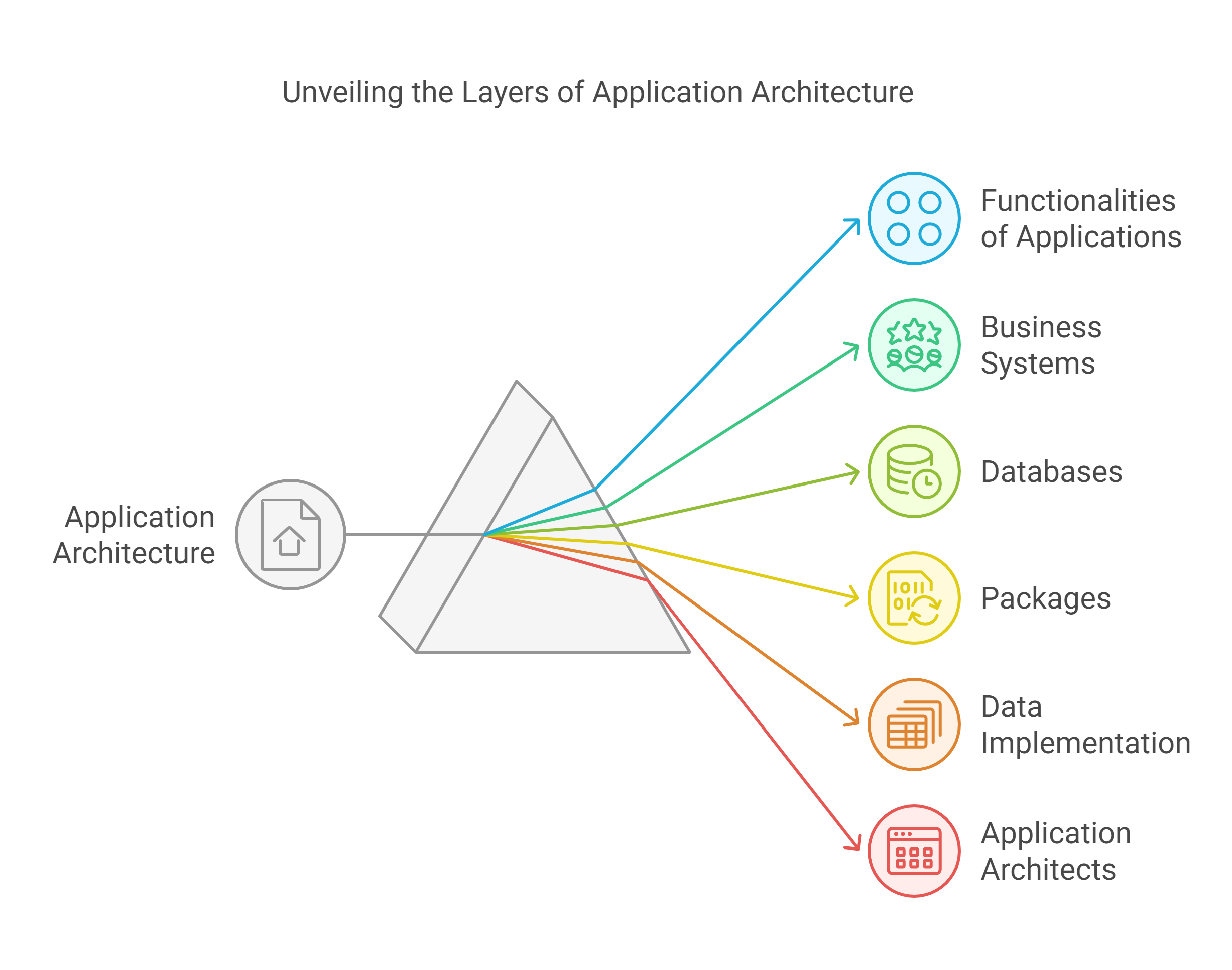
In application architecture, the focus is on application requirement and to create value for application users. Below is the list of application business architecture touch-base. Elaborate and Explain functionalities of applications within organization.
- Business Systems
- Databases
- Packages
- Work and implement data as per business requirements defines by business and data architectures.
- Application Architects
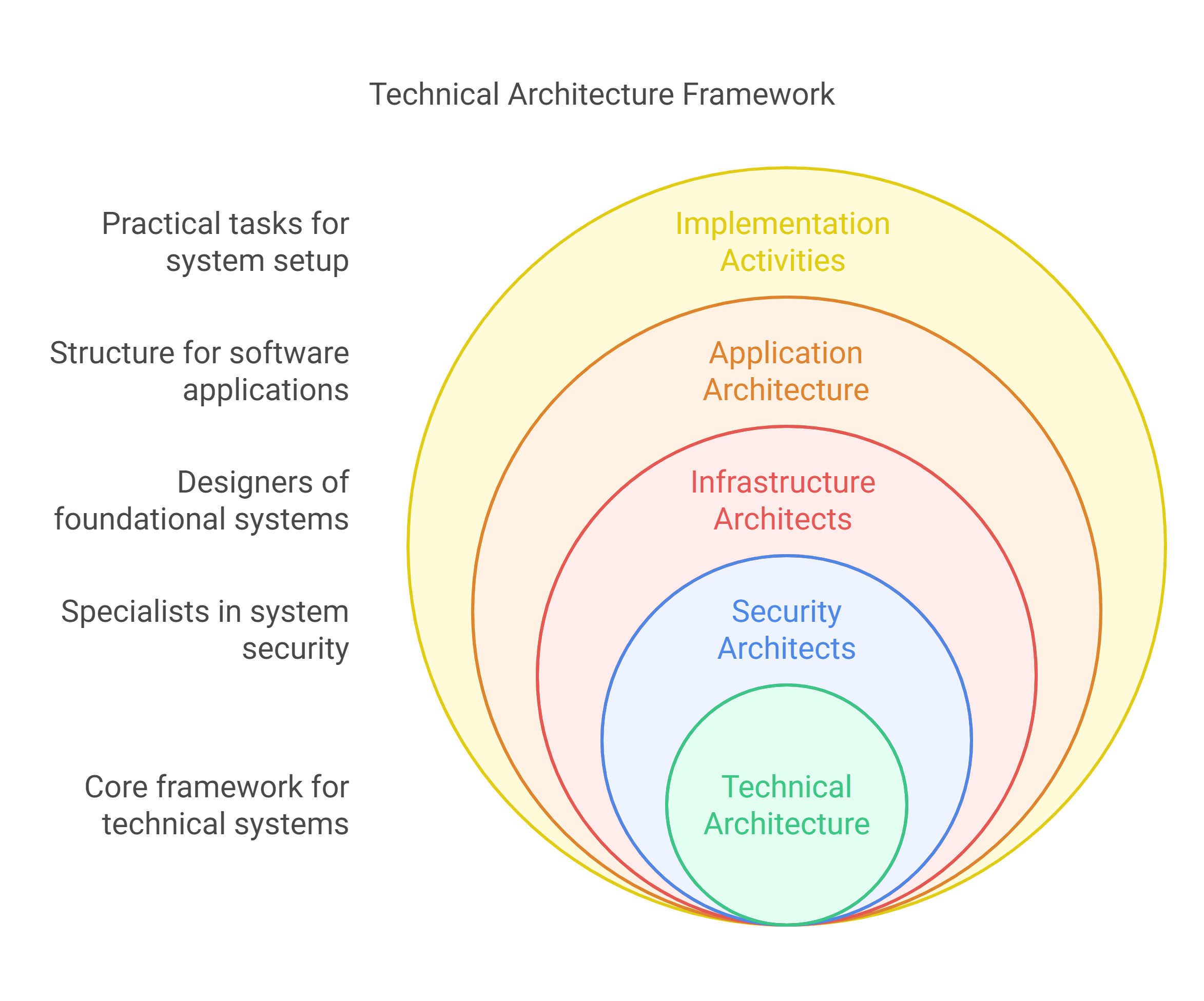
In technical architecture, the focus is on technical requirements and to create value for technical users. Below is the list of activities technical architecture touch-base.
- Implement physical hardware, security, network, tools, and technologies.
- Execute Application Architecture
- Infrastructure Architects
- Technical Architects
- Security Architects
Finished reading? Test yourself with 10 questions on this topic.
Go to the questions →From I Am Datapedia! by Mustafa Qizilbash, published here free by the author. Nothing about your reading is stored.