Learn free · topic 274
Data Abstraction Layer
A Data Abstraction Layer (DAL) is like a special helper in computer science and software engineering. It's a layer of code that keeps the tricky details of how data is stored or used, separate from the rest of the software.
Here are some important things to know about a Data Abstraction Layer:
- Abstraction: It means hiding all the complicated stuff about storing data behind a simpler way of working with it. This makes it easier for developers to handle data without worrying too much about the nitty-gritty details.
- Separation of Concerns: The Data Abstraction Layer helps keep things organized by separating how data is stored from how the software works. This makes the software easier to understand and take care of.
- Consistent Interface: The layer provides a set of clear rules that the rest of the software follows to work with the data. This is helpful because it keeps the software running smoothly even if the way data is stored changes.
- Adaptability: The Data Abstraction Layer acts like a shield, protecting the software from changes in how data is stored. So, if the way data is kept in the computer changes, only the Data Abstraction Layer needs to be adjusted, and the rest of the software can stay the same.
- Security and Validation: The Data Abstraction Layer also looks out for the security of the data. It makes sure that data is handled in a safe and controlled way.
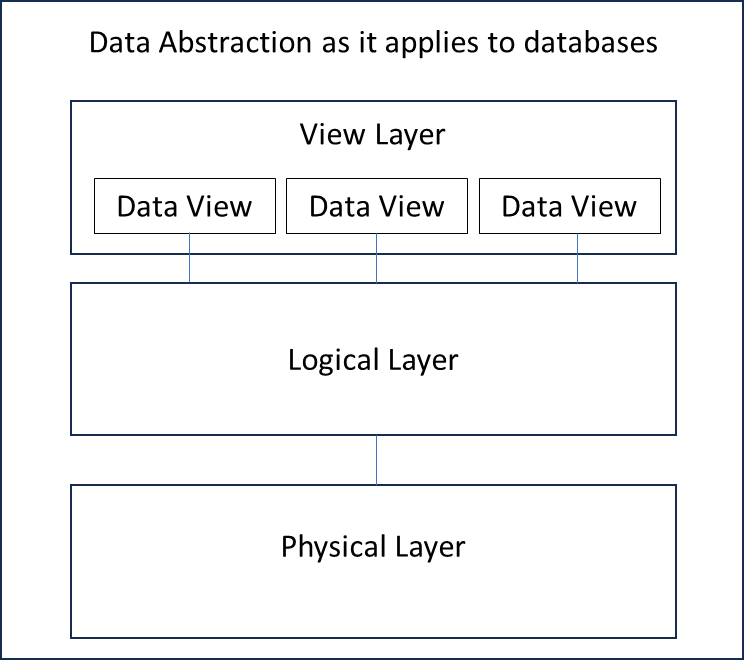
In simple words, a Data Abstraction Layer is like a helpful friend that makes it easier for software to deal with data. It keeps things organized, safe, and ready for any changes that might happen in the world of data.
Finished reading? Test yourself with 10 questions on this topic.
Go to the questions →From I Am Datapedia! by Mustafa Qizilbash, published here free by the author. Nothing about your reading is stored.