FaaS (Function as A Service)
From the book I Am Datapedia!, published here free by the author.
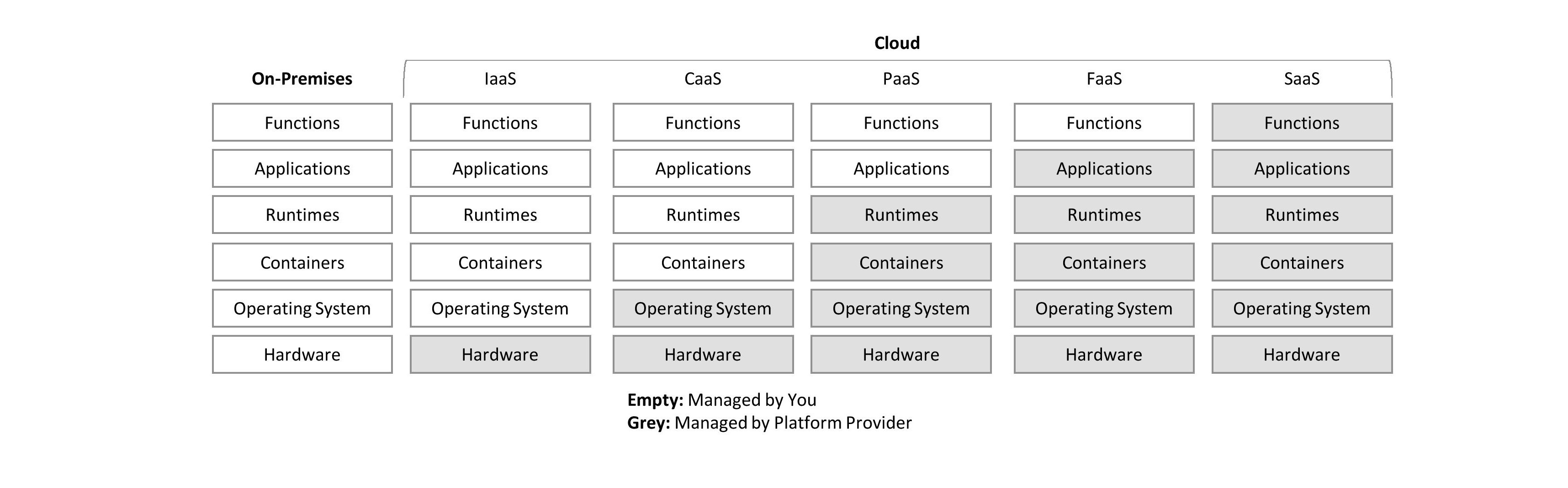
One of the biggest challenges to date is, whenever there is a change in the requirement, the whole code-set must redeploy. When code changes, it was always challenging to redeploy ONLY the changed code as there are always dependencies. Breaking the bigger code set into smaller pieces of code sets i.e., functions, can assist in mitigating this challenge wherever possible. Agree, in Data Pipelines it might be difficult but worth having this option to be utilized whenever possible.
As the name says itself, FaaS (Function as A Service) is about deploying ONLY Functions in Cloud. This saves us to manage Infrastructure on our own in Cloud, now we can deploy our Functions ONLY and underneath it the infrastructure will be managed by Cloud providers. Most of the Cloud providers are offering FaaS.
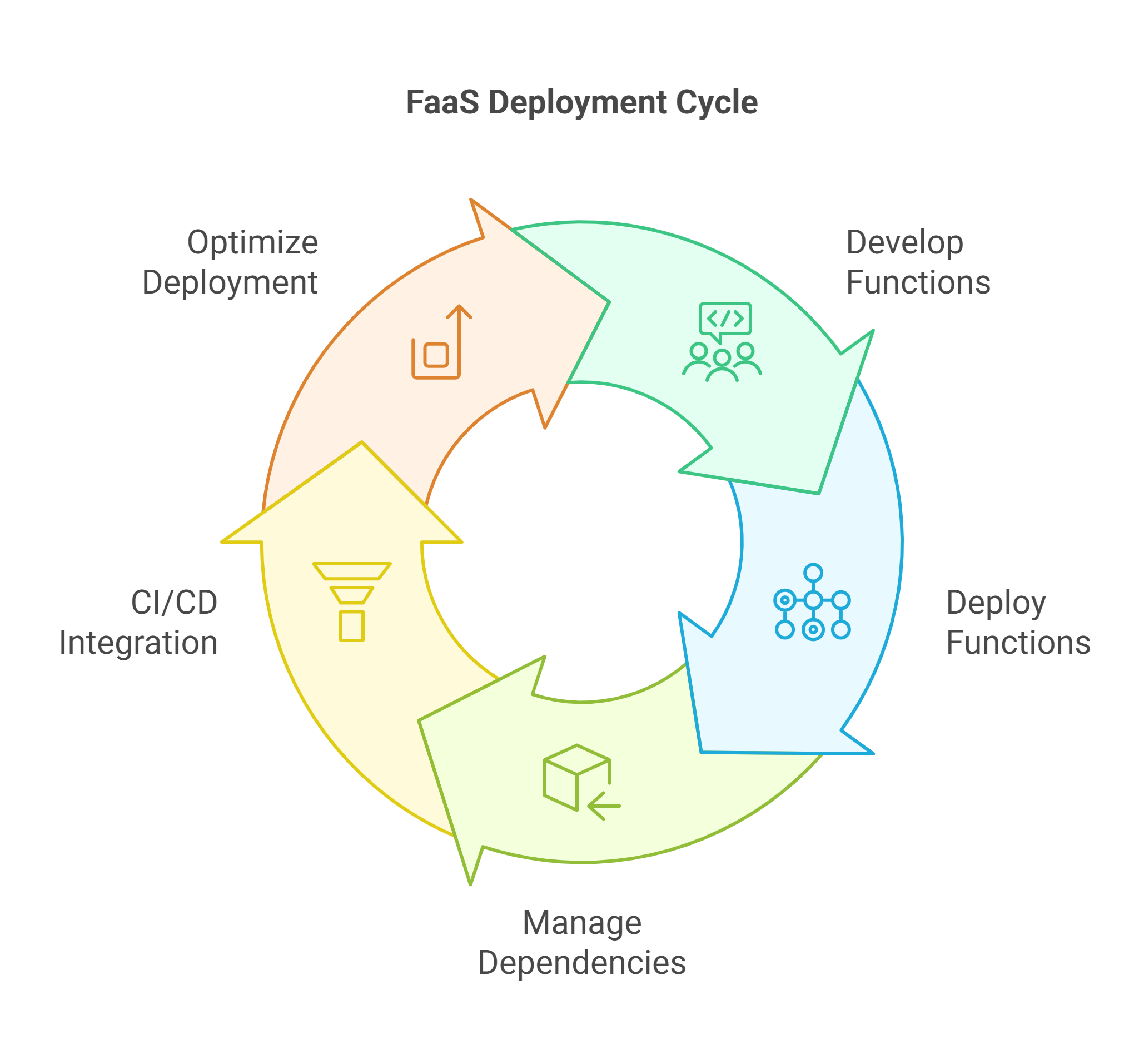
Referring to the same example in CaaS. a user authentication module is built using multiple functions so able to deploy Functions any time can further breakdown the deployment activities and increase the flexibility to be able to deploy smaller piece of code, every time there is a change in the code.
Express your reaction
Your Take on This Insight?
Share how this content resonates with you.
0 reactionsSign in to react or comment
Comments (0)
No comments yet.
Free account
You can read every topic without one. A free account lets you react to this topic, comment under it and search the Knowledge Hub. Reacting and commenting need a confirmed e-mail address.