Learn free · topic 113
Data Epistemology
Epistemology, a term rooted in the Greek word episteme, meaning “knowledge,” and logos, meaning “discourse” or “communication,” explores the concept of “justified knowledge.” It addresses questions like “What do we know?”, “How can we claim to know something?”, “What validates our beliefs?”, and “How do we ascertain the certainty of our knowledge?”
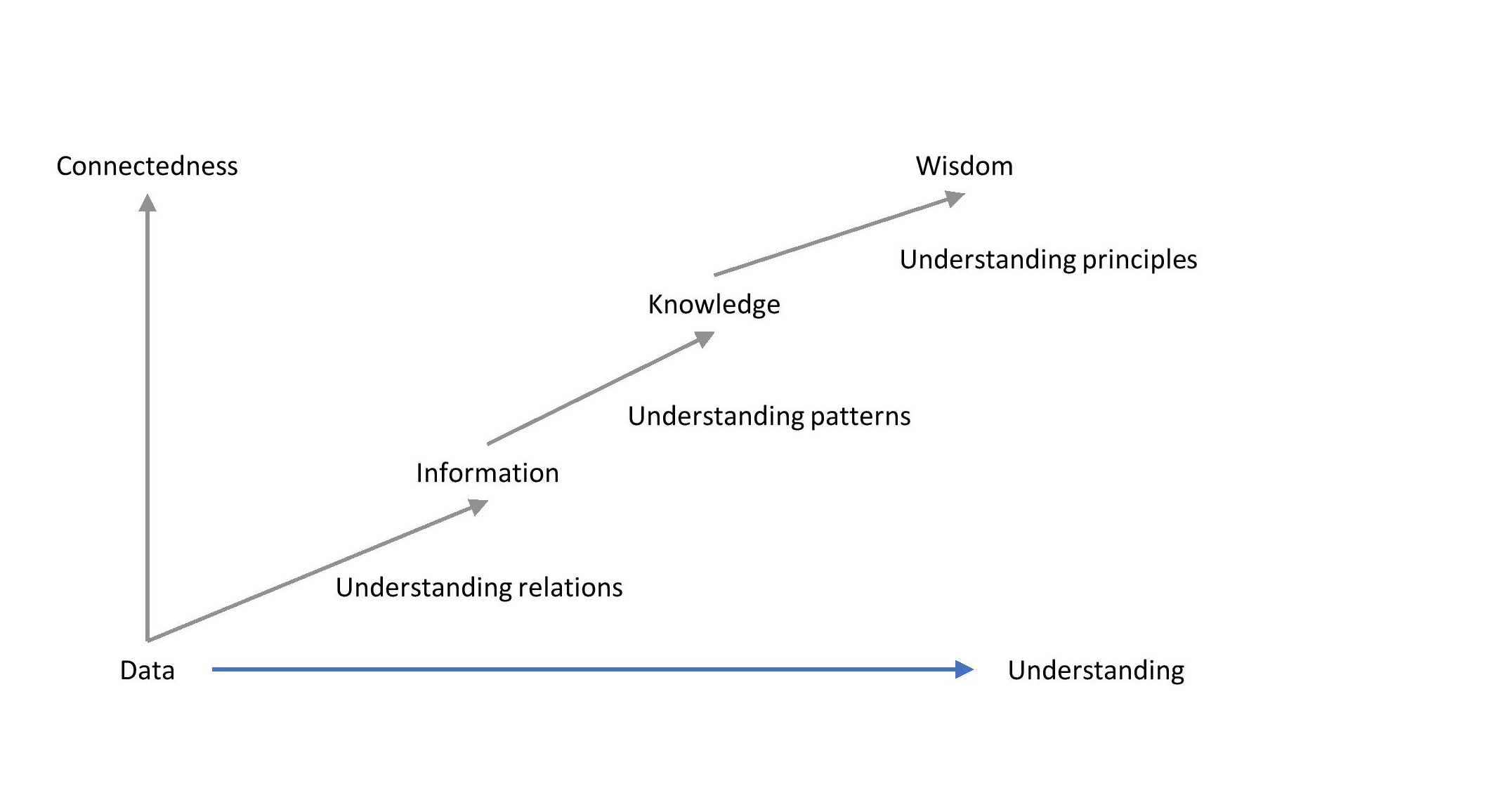
A key challenge in Big Data is in the generation and validation of knowledge. It’s crucial to analyse the complex relationships between the knowledge produced, the entities that produce it, and the methods used to generate it.
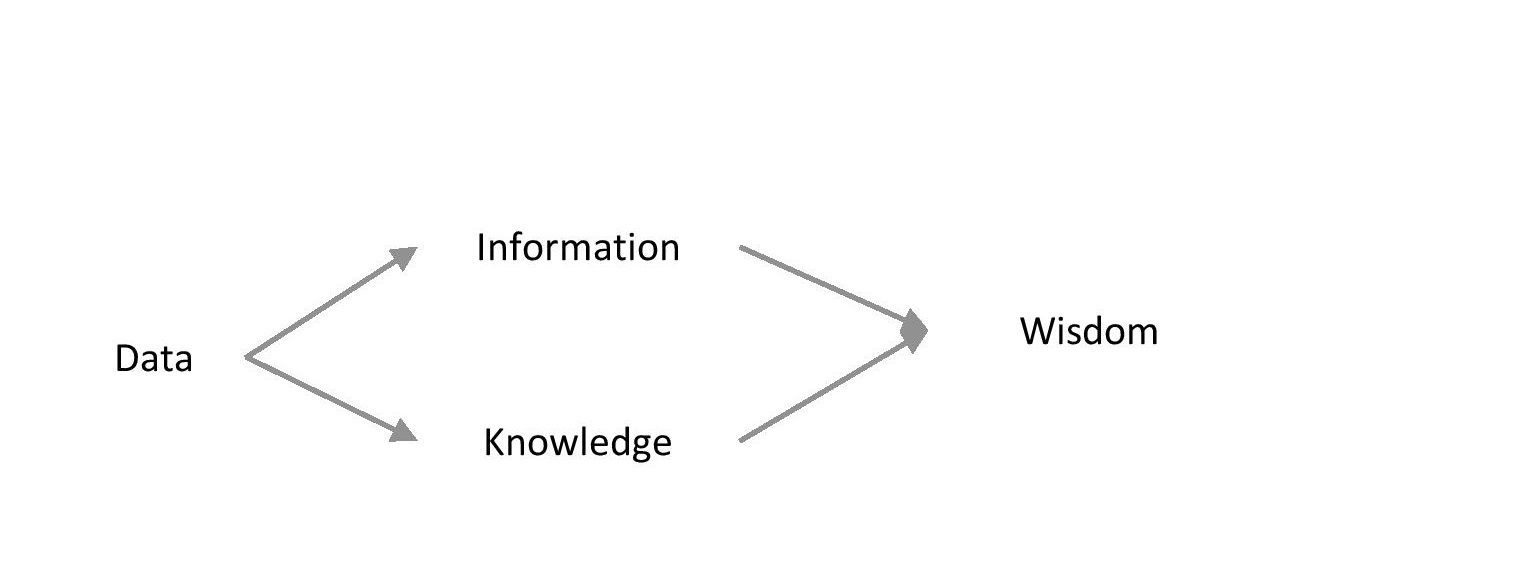
My interpretation of Data vs Information vs Knowledge vs Wisdom
Finished reading? Test yourself with 10 questions on this topic.
Go to the questions →From I Am Datapedia! by Mustafa Qizilbash, published here free by the author. Nothing about your reading is stored.