Learn free · topic 273
Data Integration andInteroperability
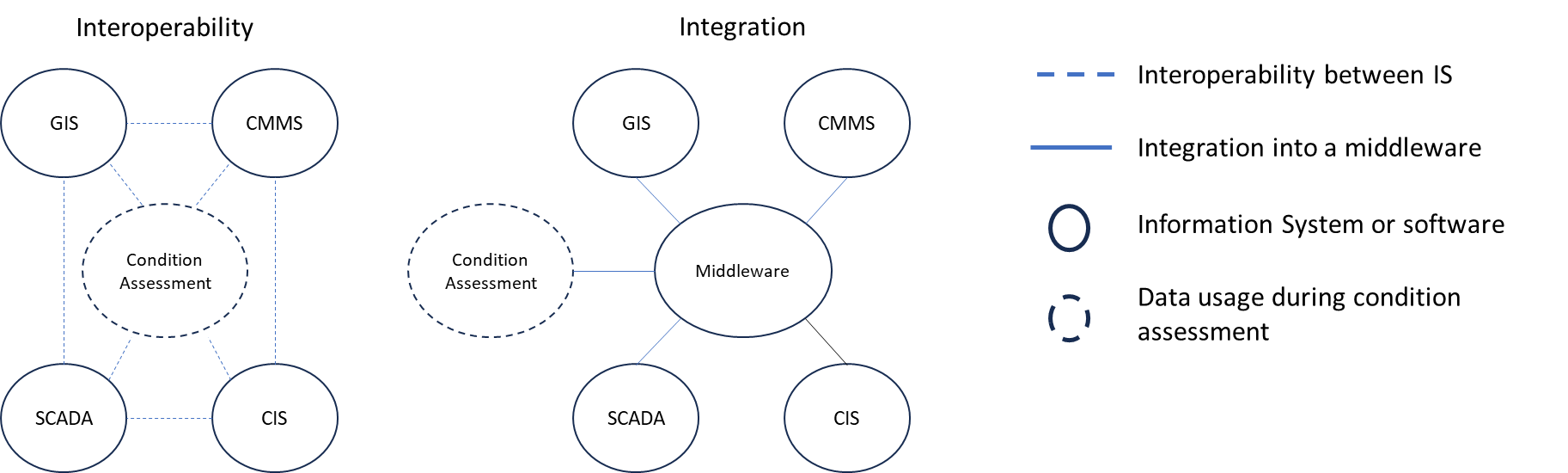
Many people mistakenly assume that Integration and Interoperability are interchangeable terms, but they are actually quite different. While they work together, their nature and purpose are distinct.
Let’s decode these…..
Integration involves connecting systems and exchanging data to fulfill a range of objectives [Data Integration explained in different topics]. However, when data is shared between systems, it often requires translation to be understood by the receiving party. Despite the successful integration of systems, these translations conflict with the essence of interoperability.
Interoperability, on the other hand, is the ability to understand data without the need for translation. When two or more systems are linked and exchange data seamlessly without requiring translation for comprehension by the receiving parties, it signifies the presence of interoperability. A notable instance of interoperability is evident in the medical domain, where various hospitals can readily interpret key terms and codes within shared data, whereas an average individual may struggle to do so.
Finished reading? Test yourself with 10 questions on this topic.
Go to the questions →From I Am Datapedia! by Mustafa Qizilbash, published here free by the author. Nothing about your reading is stored.