CI/CD
From the book I Am Datapedia!, published here free by the author.
You must be confused between DevOps and CI/ CD.
‘CI stands for Continuous Integration and CD stands for Continuous Delivery/ Deployment.’
We know, in development and implement life cycle there are multiple steps involved e.g., development of code, packaging it, testing it, and then deploying in production.
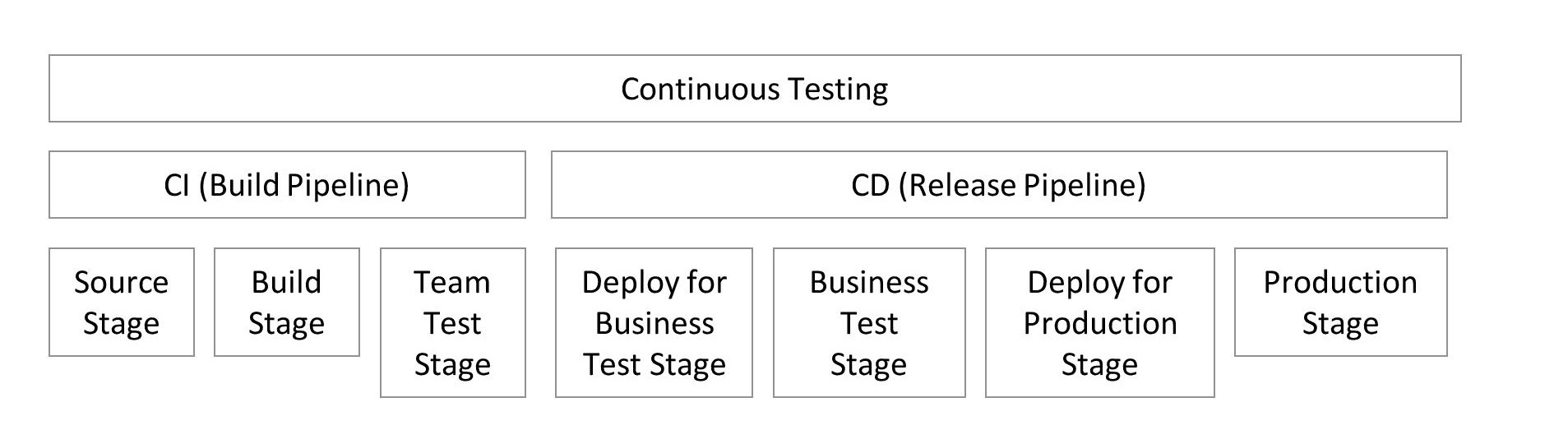
To cater to the above challenge, CI/ CD approach came on to surface where using tools and technologies, whole above-mentioned cycle is automated.
Once development is done, code is pushed to CI process which builds and test the code before passing to CD process which then builds, configure, package, and deploys in such a manner that it fulfills all production ready standards.
With the help of CI/ CD, where the whole cycle used to take days and sometime weeks, now the cycle has been reduced to minutes for small deployments.
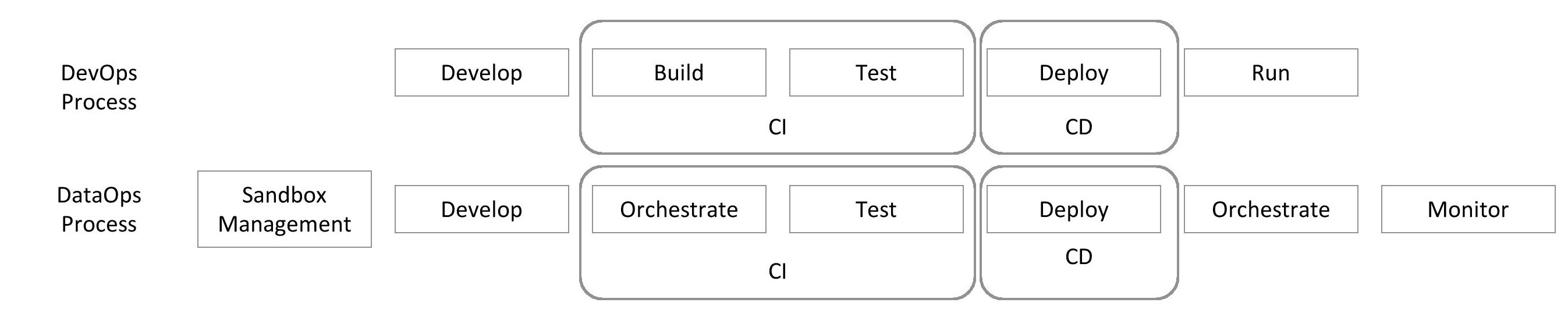
‘The future is CI/ CD for any or every kind of release management.’
Express your reaction
Your Take on This Insight?
Share how this content resonates with you.
0 reactionsSign in to react or comment
Comments (0)
No comments yet.
Free account
You can read every topic without one. A free account lets you react to this topic, comment under it and search the Knowledge Hub. Reacting and commenting need a confirmed e-mail address.