Learn free · topic 249
Data Serving or Serving Layer
Data Serving is also known as the Serving Layer and it has been there since its inception but as technologies have matured, many new channels have been introduced to support this layer.
‘Serving Layer is last component of the Lambda Architecture.’
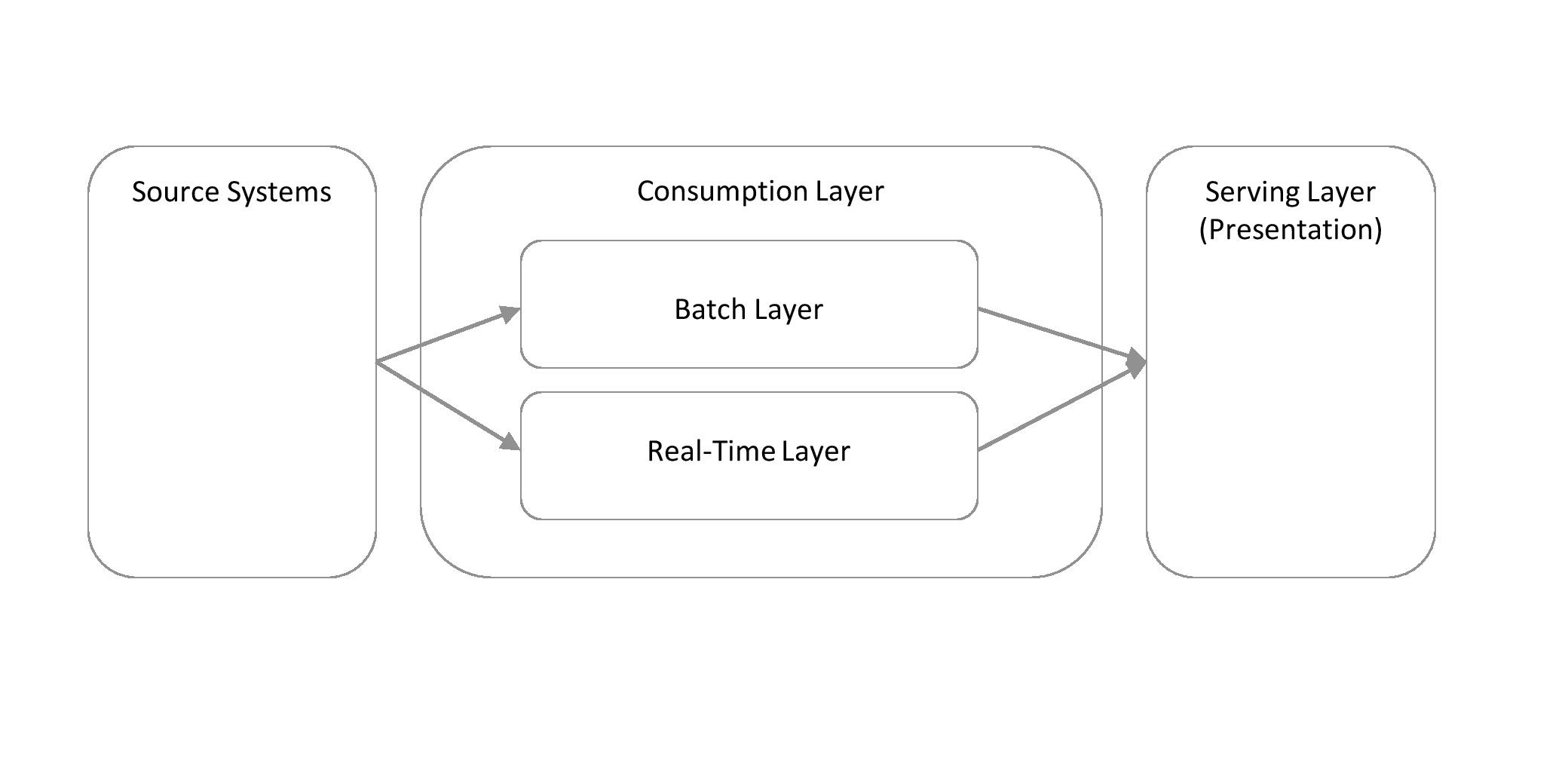
We all know OLTP systems are not meant to be exposed for reporting purposes. In the current era, for reporting, there are many data stores available i.e., Data Warehouse, OLAP, Data Lake, NoSQL, Semantic layers but ideally Semantic Layer should be treated as Serving Layer.
To be more specific
- If Serving Layer is designed for specific business requirement then Semantic Layer is last layer.
- If the Serving Layer is designed for generic use then it can be Data Warehouse, OLAP, Data Lake, NoSQL etc.
Technologies to connect to Serving Layer
- JDBC Connector: We know every system has at least Java, so this is the most generic way to connect to any system. Via JDBC, using other system’s Host Name, IP, Username and Password, it can connect easily.
- ODBC Connector: ODBC is supported by Oracle and recently it’s also available, if not all, on most of the systems. Same as JDBC, using other system’s Host Name, IP, Username and Password, it can connect easily.
- Native Driver: Host systems normally create internal drivers to connect to other systems. Please note, these internal drives are also made by using JDBC and OBDC connectors. The difference is, Native Driver can also include some security parameters.
- API: Just like Native Drivers, APIs also use JDBC and OBDC connectors as back ends along with the inclusion of security parameters. Major difference between Native Drivers and API are, Native Drivers are used to connect databases from source with target whereas APIs are used to expose data on Online portals.
Finished reading? Test yourself with 10 questions on this topic.
Go to the questions →From I Am Datapedia! by Mustafa Qizilbash, published here free by the author. Nothing about your reading is stored.