Learn free · topic 127
Data Parsing orFormatting
Data Parsing and Formatting sometime works interchangeably and mixed with Data Conversion and Data Transformation which is not correct.
Parsing term comes from Latin part (orationis), meaning part (of speech) [Wikipedia].
We all must have heard about parser. Yes, Data Parsing is about rearranging or formatting the data in such a way that it’s understandable or usable. In Data Parsing, data is not anonymized neither does it changes its meaning rather it changes for the sake of its understandable.
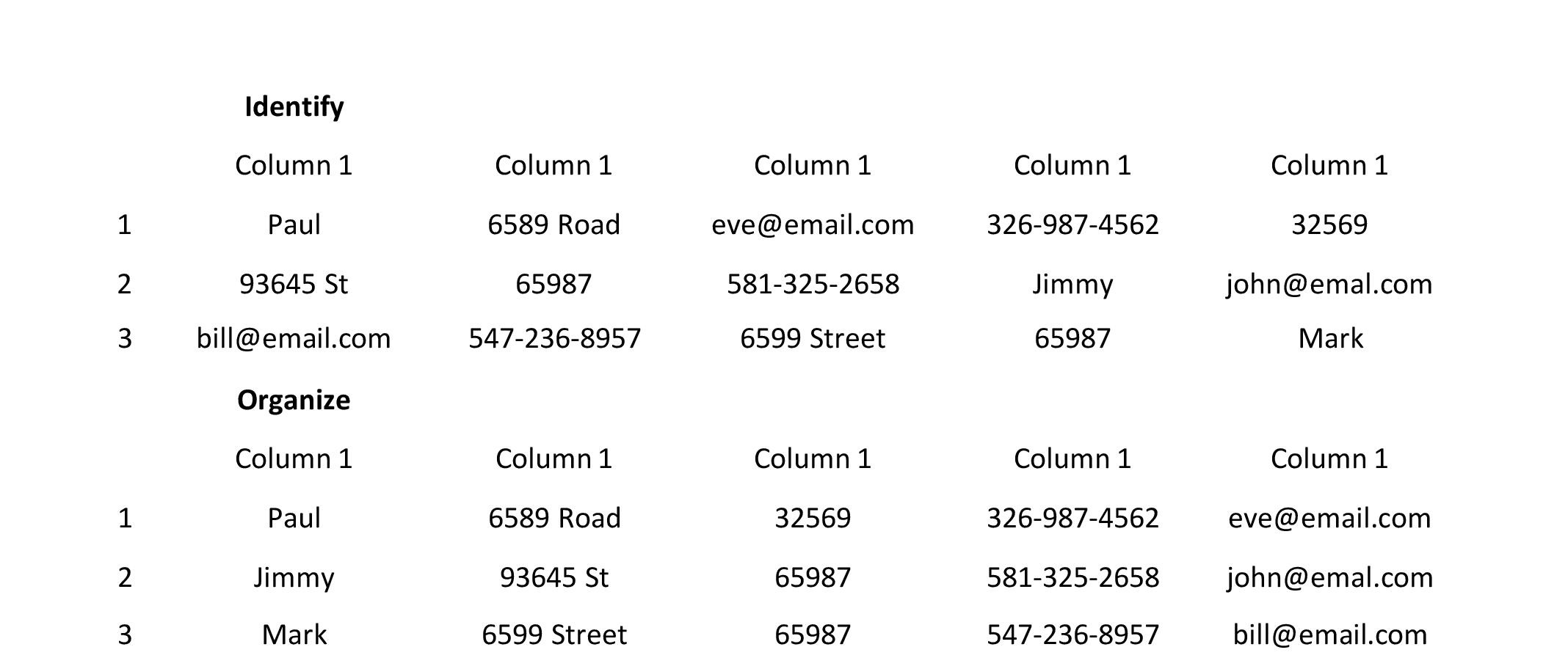
In the era of social media, most of online portals gives APIs to allow third parties to extract data in a readable format but those who doesn’t provide APIs, we use Web Scrapping (explained in separate topic) to crawl the websites, online portals etc., to extract details by running different type of parsing approaches.
Sometimes, we
- Parse HTML into JSON format i.e., readable format.
- Write parsers on plain Text to extract relevant information.
- Parse data for grammar checking.
Data Parsing Components/ Steps
- Lexical Analysis creates token i.e., keywords, identifiers, and delimiters, in unstructured or unformatted data. Using these tokens, irrelevant text is ignored, and rest are left to Syntactic Analysis.
- Syntactic Analysis takes the relevant tokens and arranges them in three parses i.e., parenthesis, curly braces, and semicolons. Semantic Analysis is an addition step based on business requirement which segregates data i.e., Yes or No, Open or Close or WIP etc., which make the data more relevant.
Parsing Techniques
- Scripting languages, HTML and XML, Interactive data language, Modelling languages, SQL and database languages, HTTPS and Internet Protocols
Finished reading? Test yourself with 10 questions on this topic.
Go to the questions →From I Am Datapedia! by Mustafa Qizilbash, published here free by the author. Nothing about your reading is stored.