Data Encoding and Decoding
From the book I Am Datapedia!, published here free by the author.
Data Encoding and Decoding is a known term but is always confused with Encryption and Decryption.
Just like Encryption and Decryption, Encoding and Decoding convert and revert data from another format using Key.
Importance of Keys
- Encryption and decryption conversion KEYS are used by known entities or individuals.
- Encoding and decoding KEYS are used by unknown entities or individuals i.e., publicly.
Data Encoding and Decoding is normally used by programs or systems internally whereas Encryption and Decryption are used by proprietary expensive software(s).
There are many encoding techniques but major four types are.
- Analog data to Analog Signals: This technique is used when sender and receiver both are Analog compatible like mic to speakers directly.
- Analog data to Digital Signals: This technique is used sender is Analog, and receiver is Digital compatible like mic to computer for recording purpose.
- Digital data to Analog Signals: This technique is used when the sender is Digital, and receiver is Analog compatible like from computer to speakers.
- Digital data to Digital Signals: This technique is used when sender and receiver both are Digital compatible like data transfer from computer to computer.
Please note, while data is transformed into different formats using the above four techniques to transfer it from one location to another, additionally before sending data it can be Encrypted and then Decrypted at the receiving location. This is done to protect data so even if data is stolen, its anonymization [anonymization is separate topic] is maintained.
Signal: We all know a signal is an electromagnetic or electric current which carries data or information from one location to another location.
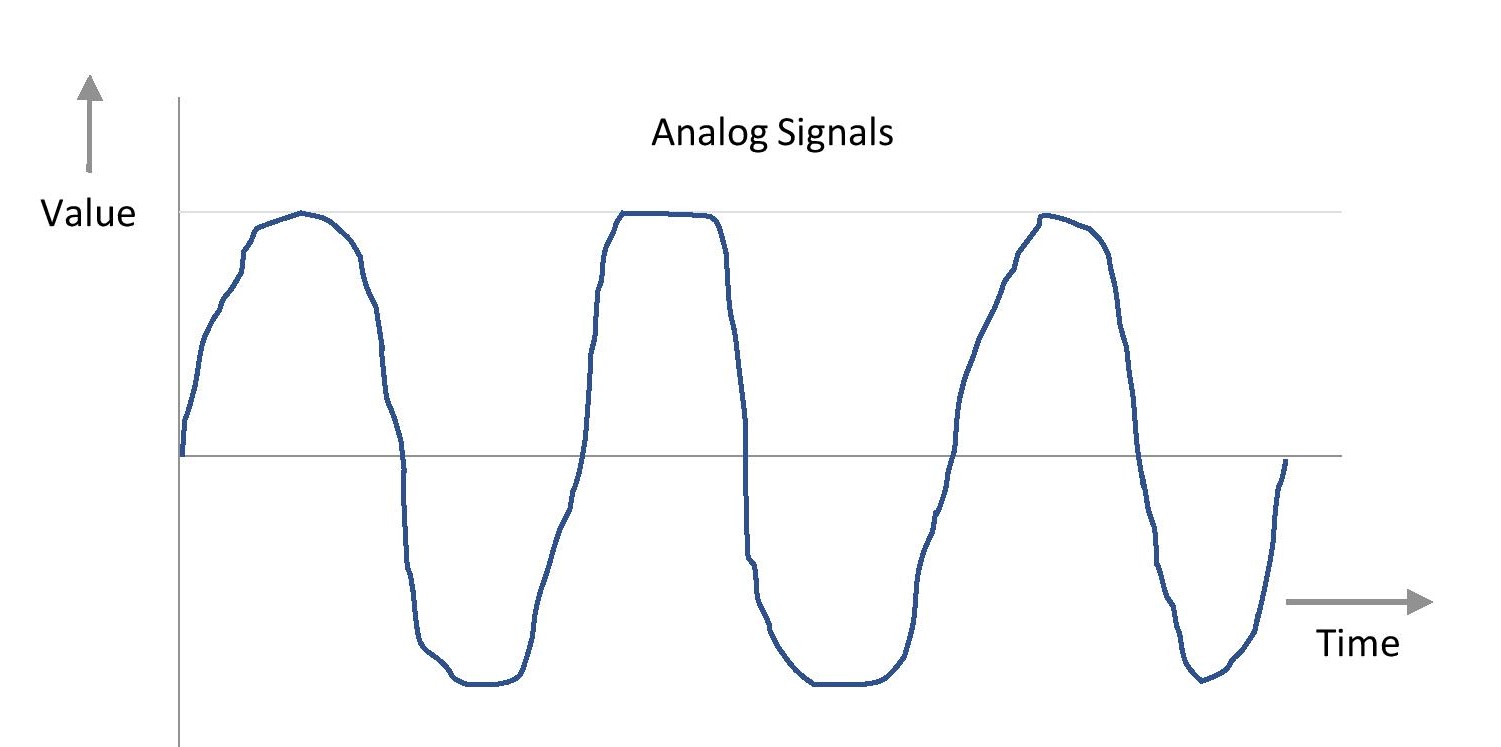
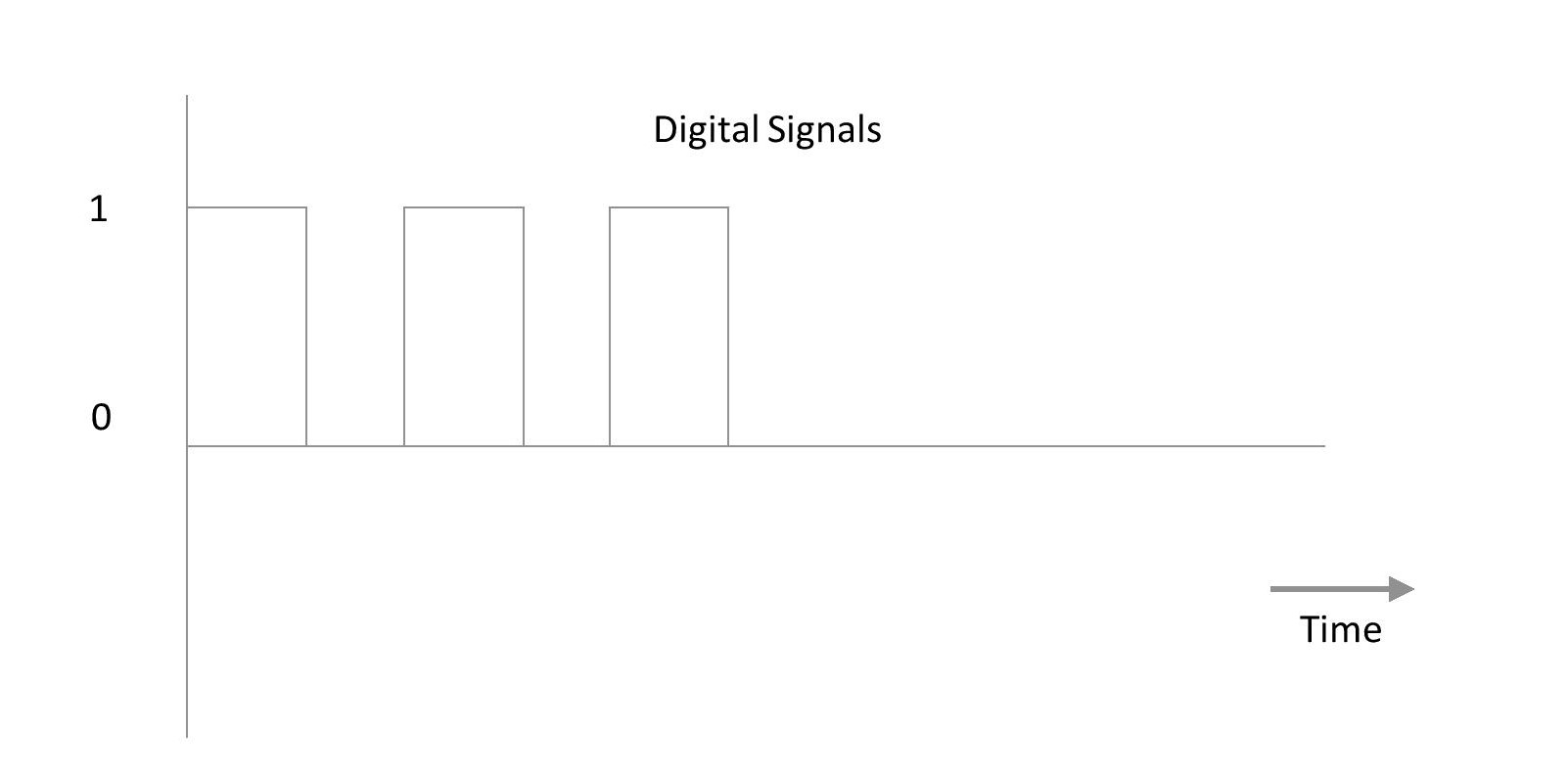
Major comparisons of Analog and Digital Signals.
- Analog Signals is a continuous range of value whereas Digital Signals carries only 0 and 1.
- Analog Signals is used in audio and videos whereas Digital Signals are used in transmitting computers generated datasets.
- There cannot be breaks while transmitting Analog data or signals whereas there can be breaks while transmitting Digital data or signals.
Express your reaction
Your Take on This Insight?
Share how this content resonates with you.
0 reactionsSign in to react or comment
Comments (0)
No comments yet.
Free account
You can read every topic without one. A free account lets you react to this topic, comment under it and search the Knowledge Hub. Reacting and commenting need a confirmed e-mail address.