Learn free · topic 120
Dynamic Data Masking (DDM)
Dynamic Data Masking (DDM) behaves just like SDM (Static Data Masking) or in other words like standard Data Masking.
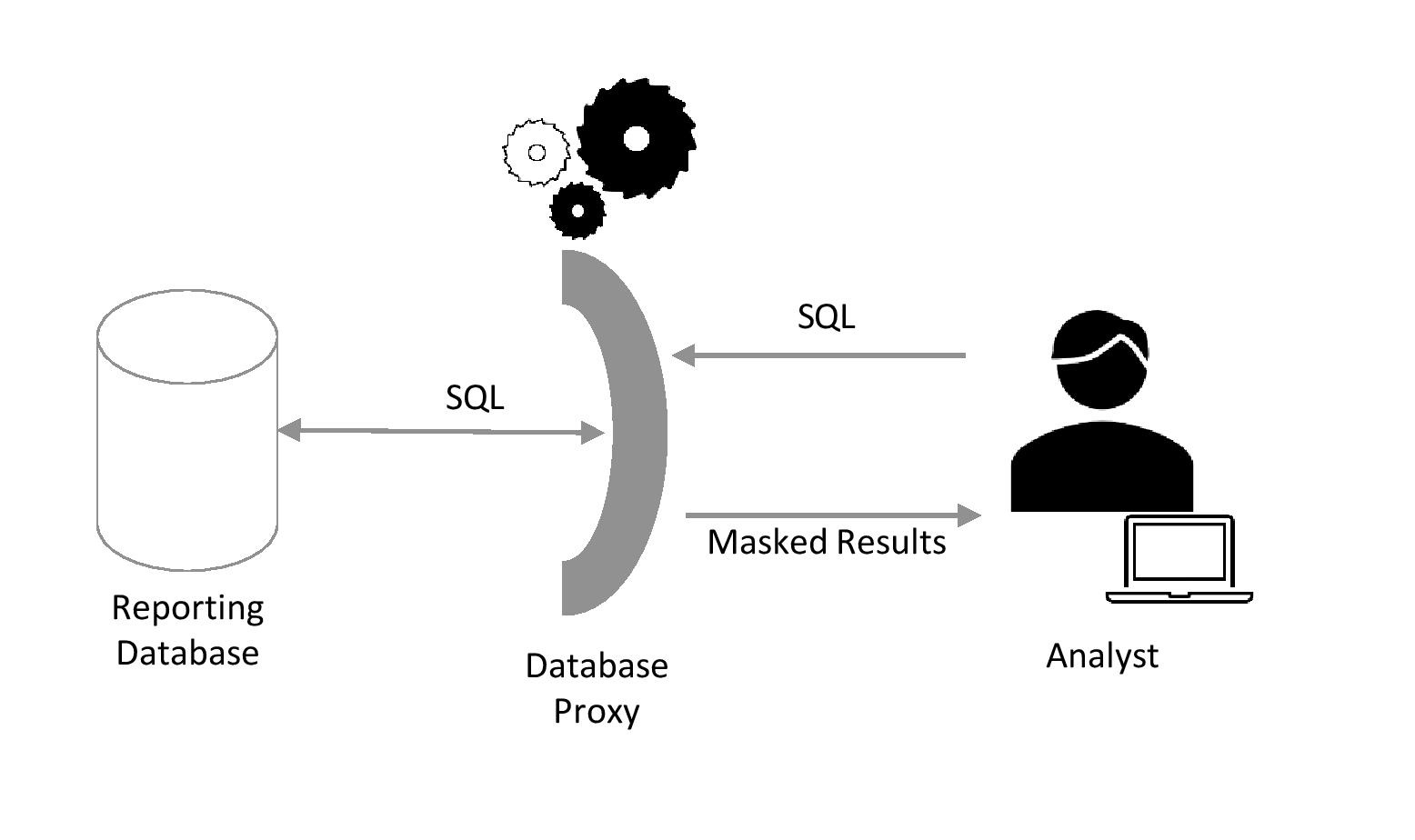
As we all know previously, we were working on structured data only which is only 20% whereas in new era, we also have 80% more data i.e., semi and unstructured datasets. Not only datasets, but the data science practices have also matured in the last 10 years due to which more and more Production ready data is required by Data Scientists to develop, train, and publish their Data Science Models.
With the introduction of 80% more data i.e., semi and unstructured datasets, it became more troublesome to anonymize data within given SLA. Static Data Masking is a very slow process where one must create a new dataset with masked data, but using Dynamic Data Masking, Production data is masked on the fly before sharing with relevant parties.
Comparing SDM and DDM
- SDM (Static Data Masking), data is masked permanently at-rest and can’t be reverted whereas DDM doesn’t mask permanently rather mask data in-transit, so data is unchanged in datastore.
- SDM makes a copy of production data somewhere else before applying masking whereas DDM don’t need another copy rather uses the same production data as masking is done on the fly.
- SDM is done in batches which takes time to process whereas DDM is real-time.
- SDM is done as standalone process whereas DDM is a permanent layer before exposing data to users.
- SDM has no additional performance requirement as it’s done once, whereas DDM has additional performance requirement as it runs along with every SQL sent to datastore.
Finished reading? Test yourself with 10 questions on this topic.
Go to the questions →From I Am Datapedia! by Mustafa Qizilbash, published here free by the author. Nothing about your reading is stored.