← All topics
Learn free · topic 198
Data Algorithms
To understand Data Algorithms, let's quickly know what an algorithm is. It is a procedure consisting of multiple steps with a set of instructions for a desired result. It is independent of any language, in other words, an algorithm can be implemented in any language.
Algorithm Characteristics
- Unambiguous: It should be clear and unambiguous. Each of its steps, and its inputs/outputs should be clear and must lead to only one meaning.
- Input: It should have 0 or more well-defined inputs.
- Output: It should have 1 or more well-defined outputs and should match the desired output.
- Finiteness: It must terminate after a finite number of steps.
- Feasibility: It should be feasible with the available resources.
- Independent: It should have step-by-step directions, which should be independent of any programming code.
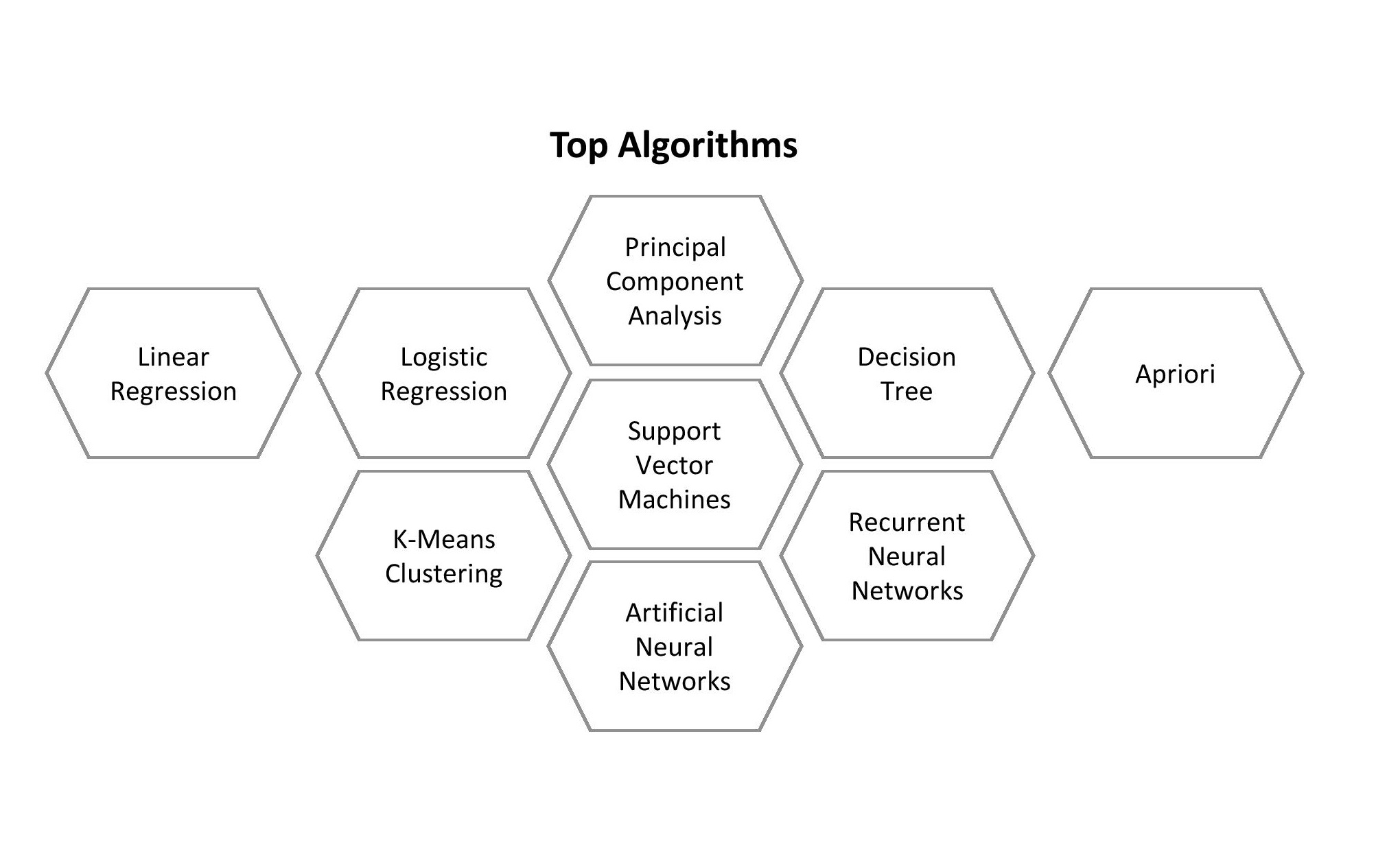
- Search: Algorithm to search an item in a data structure.
- Sort: Algorithm to sort items in a certain order.
- Insert: Algorithm to insert an item in a data structure.
- Update: Algorithm to update an existing item in a data structure.
- Delete: Algorithm to delete an existing item from a data structure.
Finished reading? Test yourself with 10 questions on this topic.
Go to the questions →From I Am Datapedia! by Mustafa Qizilbash, published here free by the author. Nothing about your reading is stored.