Learn free · topic 326
Sandbox
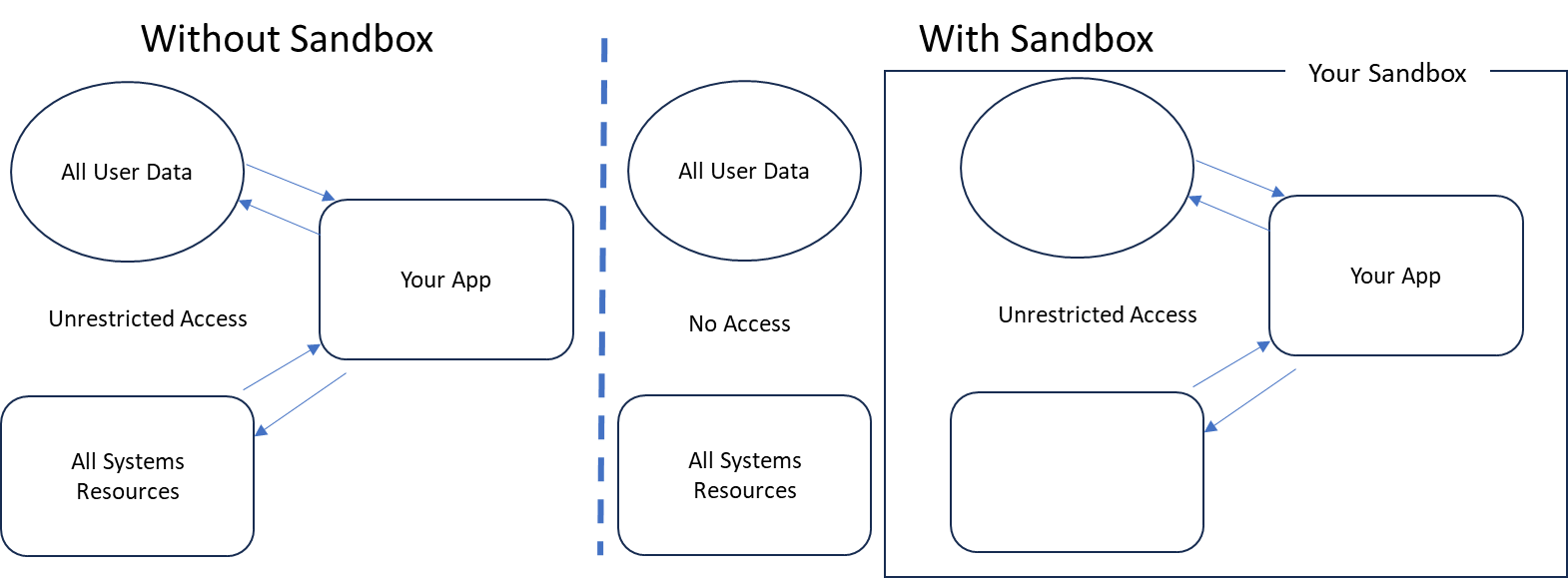
Here are key aspects of a Data Sandbox:
- Isolation: A Data Sandbox is isolated from the production environment to prevent any unintended consequences or disruptions. It allows users to experiment without affecting critical systems or data.
- Experimentation and Testing: Users can perform various activities, such as running queries, testing algorithms, or developing and refining code, in a risk-free environment. This is crucial for data analysis, machine learning, and software development.
- Data Exploration: Data Sandboxes often provide a space for exploring datasets, trying out different queries, and gaining insights without altering the original data or systems.
- Prototyping: Data scientists and developers can use the sandbox to prototype new solutions, algorithms, or models before deploying them to the production environment.
- Learning and Training: Sandboxes are valuable for training purposes. Data professionals can use them to train and educate others without the risk of impacting live systems.
- Security and Access Control: While sandboxes are designed for experimentation, they still need to adhere to security best practices. Access controls and permissions are implemented to ensure that sensitive or confidential data is not misused.
- Version Control: Some Data Sandboxes incorporate version control mechanisms, allowing users to track changes and revert to previous states if needed.
- Data Masking and Anonymization: To comply with privacy regulations, data in a sandbox may be masked or anonymized to protect sensitive information while still allowing meaningful analysis.
- Integration with Development Processes: Sandboxes are often integrated into the overall development and deployment processes, enabling a seamless transition from testing and experimentation to production deployment.
Data Sandbox is a controlled environment that facilitates exploration, experimentation, and development activities without risking the integrity or security of production data and systems. It plays a crucial role in the iterative and creative processes involved in data analysis, machine learning, and software development.
Finished reading? Test yourself with 10 questions on this topic.
Go to the questions →From I Am Datapedia! by Mustafa Qizilbash, published here free by the author. Nothing about your reading is stored.