Learn free · topic 303
Semantic Interoperability
Semantics are different for everyone. In an organization, each department has its own semantics, to view data. Same data can have different meanings for one department as compared to others.
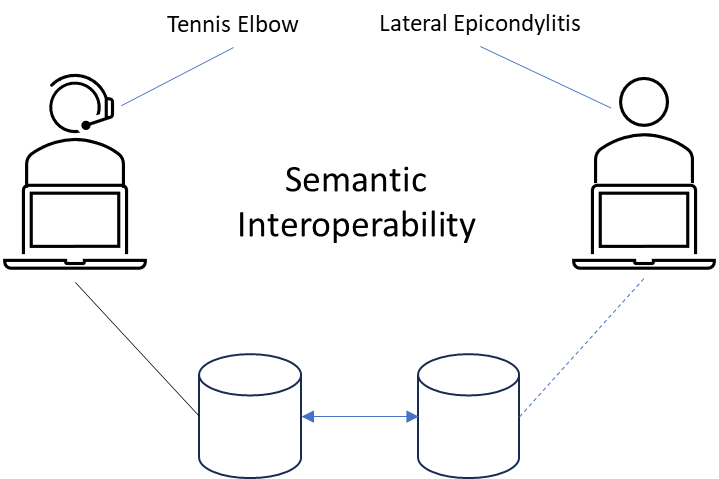
Semantic Layer in Decision Support Systems are based on business requirements, in their language, using their own key words, their codes etc.
Interoperability on the other hand is about exchanging something across systems so others don’t need to regenerate it again and again.
Semantic Interoperability is about exchanging semantic information across systems or across departments or across organizations. But this comes with a challenge whether the receiving party can understand the keywords, symbols, terminologies etc., from the sending party.
For example, in a Data Warehouse Solution, at Semantic Layer, there are few tables created to host data for medical industry. Now, when data from these tables are shared to another department, they should be able to understand what that data means or else the information flowing in will be useless.
In Federated Approach, Semantic Interoperability becomes very challenging and virtually impossible without Data Governance.
Finished reading? Test yourself with 10 questions on this topic.
Go to the questions →From I Am Datapedia! by Mustafa Qizilbash, published here free by the author. Nothing about your reading is stored.