Learn free · topic 278
Data Replication
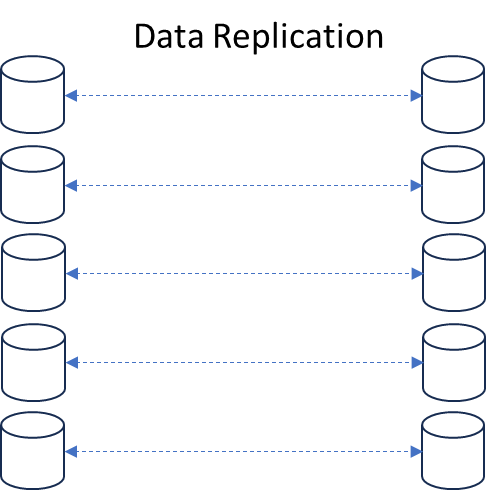
For example, imagine you and your classmates are working on a group project, and you need to share a document with everyone. Instead of having a single copy stored on one person's computer, you decide to use data replication to ensure that everyone has access to the most up-to-date version.
Here's how it works:
- Initial Copy: You create a document on your computer with the project details. This is the initial copy.
- Replication: You decide to replicate the document by making copies and distributing them to each group member. Now, everyone has their own copy of the document.
- Changes and Updates: As the project progresses, different group members make changes to their copies based on their contributions. For example, one person adds information about research findings, another updates the formatting, and so on.
- Synchronization: Periodically, or when major changes occur, you decide to synchronize the copies. This means that everyone shares their updates, and each person gets the latest version of the document. This ensures that all copies are consistent and reflect the most recent changes.
Key Points:
- Data Availability: Each group member has their own copy of the document, making it available even if one person's computer is unavailable.
- Fault Tolerance: If one copy is accidentally deleted or becomes corrupted, others still have their copies, reducing the risk of data loss.
- Performance Improvement: Multiple copies can be accessed simultaneously, improving performance, and reducing the load on a single source.
- Real-World Example: Think of data replication like having backup keys to your house. If you give copies of your house key to different family members, each person can access the house independently. If one person loses their key, others still have theirs, ensuring continued access to the house.
In the digital world, data replication is a common practice in databases, storage systems, and distributed computing environments to enhance data availability, resilience, and performance.
Finished reading? Test yourself with 10 questions on this topic.
Go to the questions →From I Am Datapedia! by Mustafa Qizilbash, published here free by the author. Nothing about your reading is stored.