Learn free · topic 226
Semantic Layer
“Semantic” is an ancient Greek word: σημαντικός sēmantikós, "significant" is the study of reference, meaning, or truth.
In Data World, Semantic layer is built for the sole purpose of supporting business users.
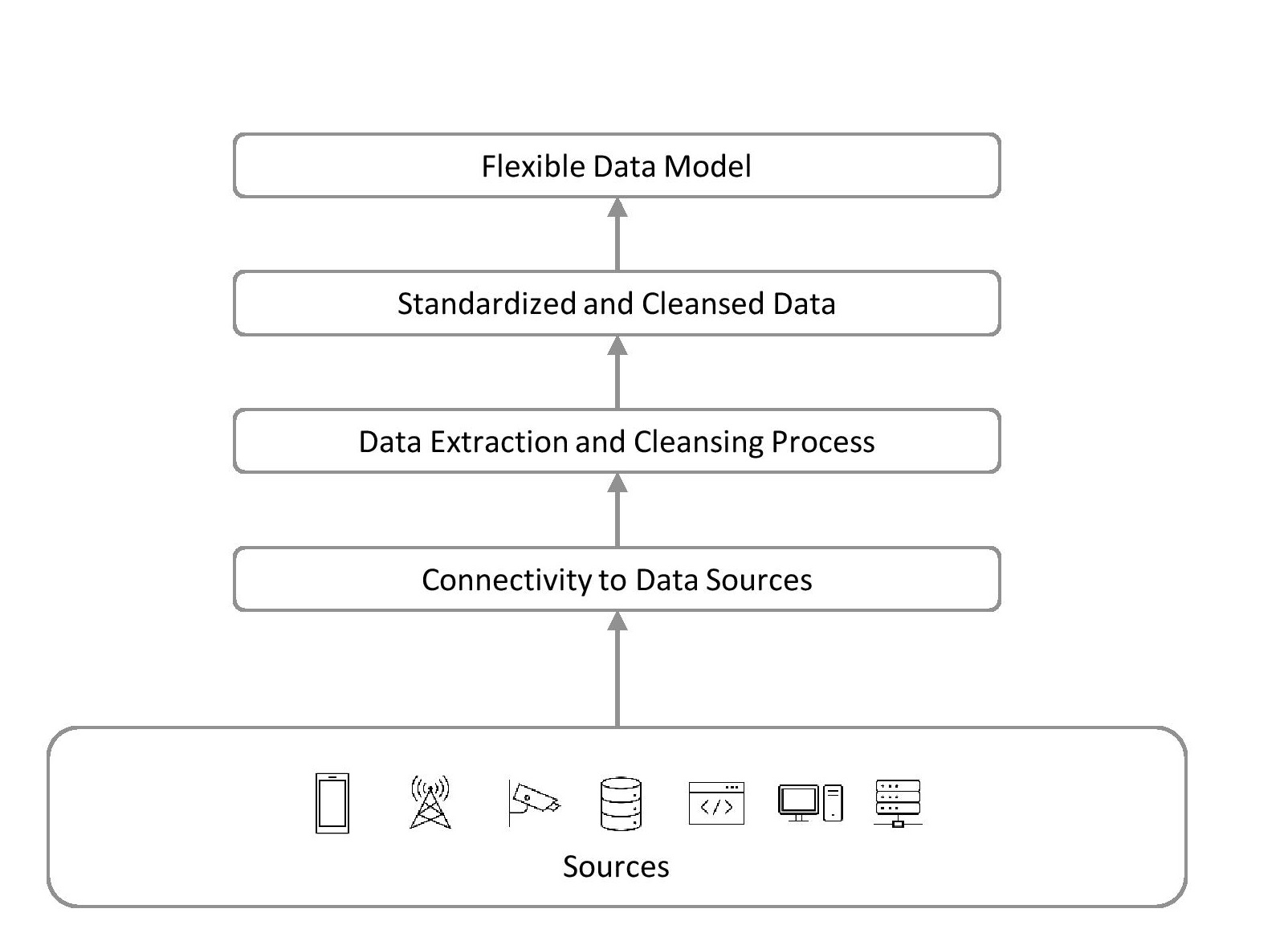
A semantic layer is the representation layer on top of databases, schema(s), tables and columns in such a way that Business users who have no technical know-how should be able to drag and drop required details on Dashboards. For drag and drop, first, one must assign business names to all databases, schema(s), tables and columns before exposing in BI tools. For example, there can be a column name as Date but the data in this column can be Date_Of_Birth or Transaction Date or Financial_Year_End_Data. Converting data models, column/ table/ schema/ database names as per business understanding is semantic process.
It's worth noting that the same column in a data set can have different meanings for different parties. The semantic layer helps to bridge this gap by providing a common understanding of the data. For example, a person's date of birth has different value for someone working in life insurance versus someone working in medical insurance. The semantic layer clarifies the meaning of this data so that both parties have a common understanding of its value.
In the past, creating semantic layers on top of structured data was easy because we already knew what was coming from the source systems. However, since the rise of big data, which includes semi- and unstructured data, it has become difficult to expose the data to business users without a semantic layer.
After that, the era of Universal Semantic Layer arrived. Prior to this, different semantic layers were used for each business unit or department, etc.
What is the significance of BI tools in Semantic Layer?
The concept of a semantic layer is as old as Business Intelligence itself. This is because, as previously mentioned, before the advent of the Universal Semantic Layer, unique semantic layers were created in BI tools for each business unit or department, so that business users could understand what was stored in the database. The use of semantic layers in BI allowed for a common understanding of the data across different departments, which was essential for making informed business decisions.
As time passed and we entered the era of semi and unstructured data, it was not possible to end up creating separate semantic layers for each business unit or department that is where the concept of Universal Semantic Layer (USL) was born. USL provides a generic layer to support all business units and departments in such a way that everyone can refer to one USL. This is not easy and requires proper Metadata Management including Data Dictionary and Data Glossary.
‘Semantic Layer is created and maintained by IT folks.’
Finished reading? Test yourself with 10 questions on this topic.
Go to the questions →From I Am Datapedia! by Mustafa Qizilbash, published here free by the author. Nothing about your reading is stored.