Learn free · topic 375
Data and AI Cognitive (DAC)Architecture
In today’s rapidly evolving technological landscape, the biggest challenge organizations face is, data integration and maintainability. With the exponential growth of data and the widespread adoption of AI technologies, businesses are increasingly grappling with the need to manage both effectively. Unfortunately, many traditional architectures treat data and AI as distinct entities, leading to a host of challenges that hinder an organization’s ability to innovate, scale, and adapt.
One of the primary issues with the traditional approach is, the fragmentation of data and AI systems into separate silos. Data is often stored and managed in one architecture, while AI models are built, trained, and deployed in another. This separation creates significant friction points.
To overcome these challenges, organizations must embrace a more integrated approach that treats data and AI as interconnected components of a single architecture.
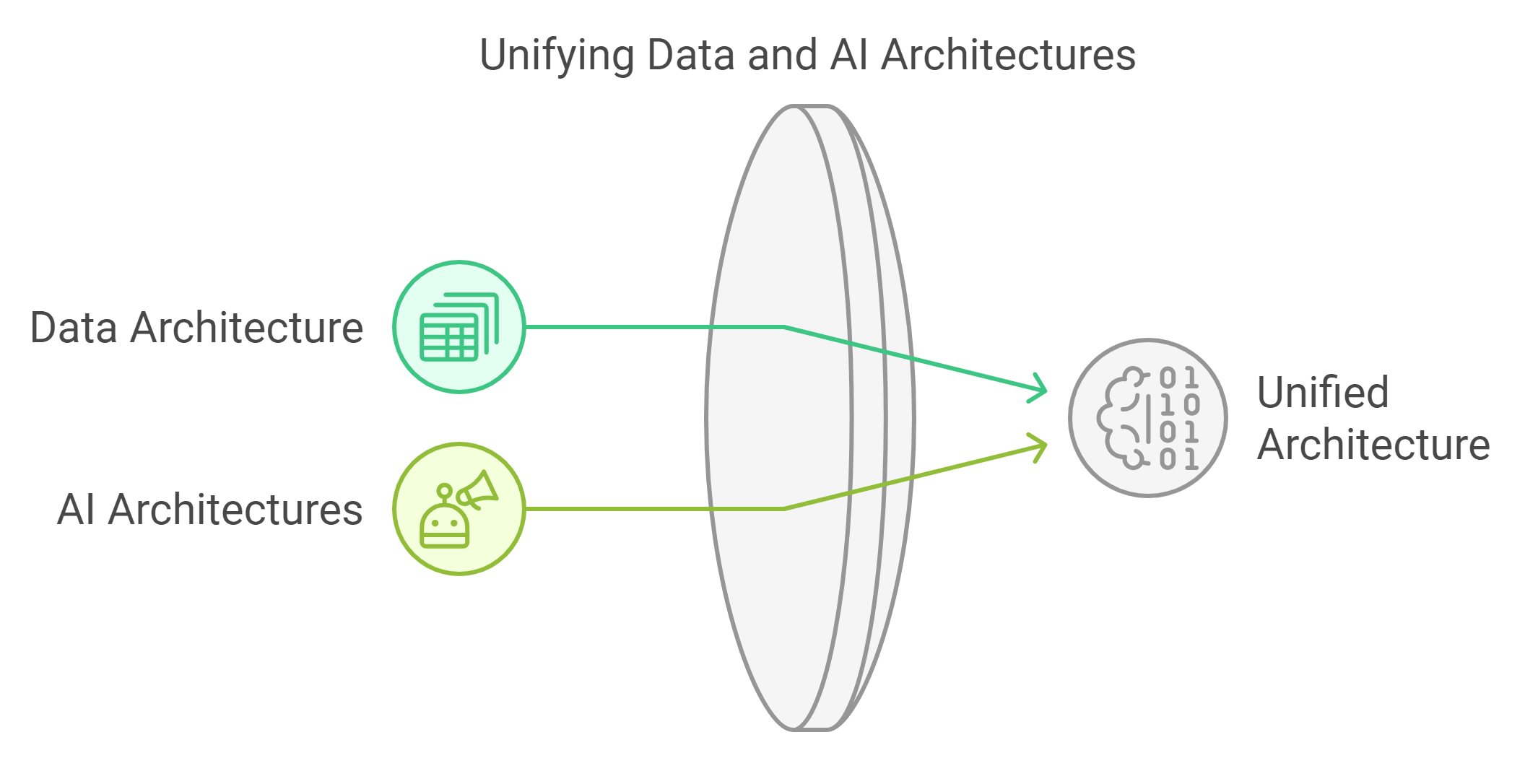
In summary, the future belongs to those who can unify their data and AI strategies into a cohesive, maintainable architecture.
What is Data and AI Cognitive (DAC) Architecture?
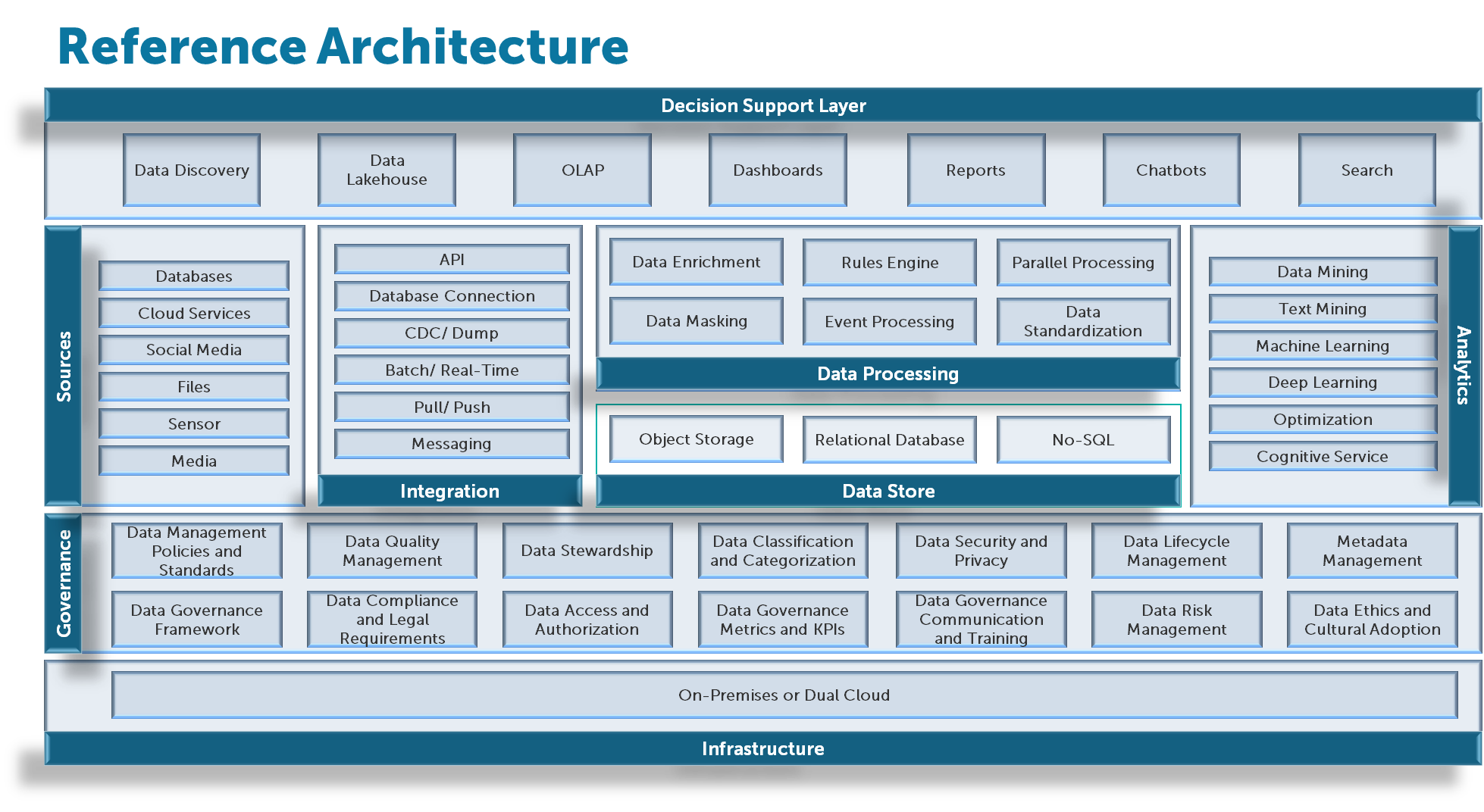
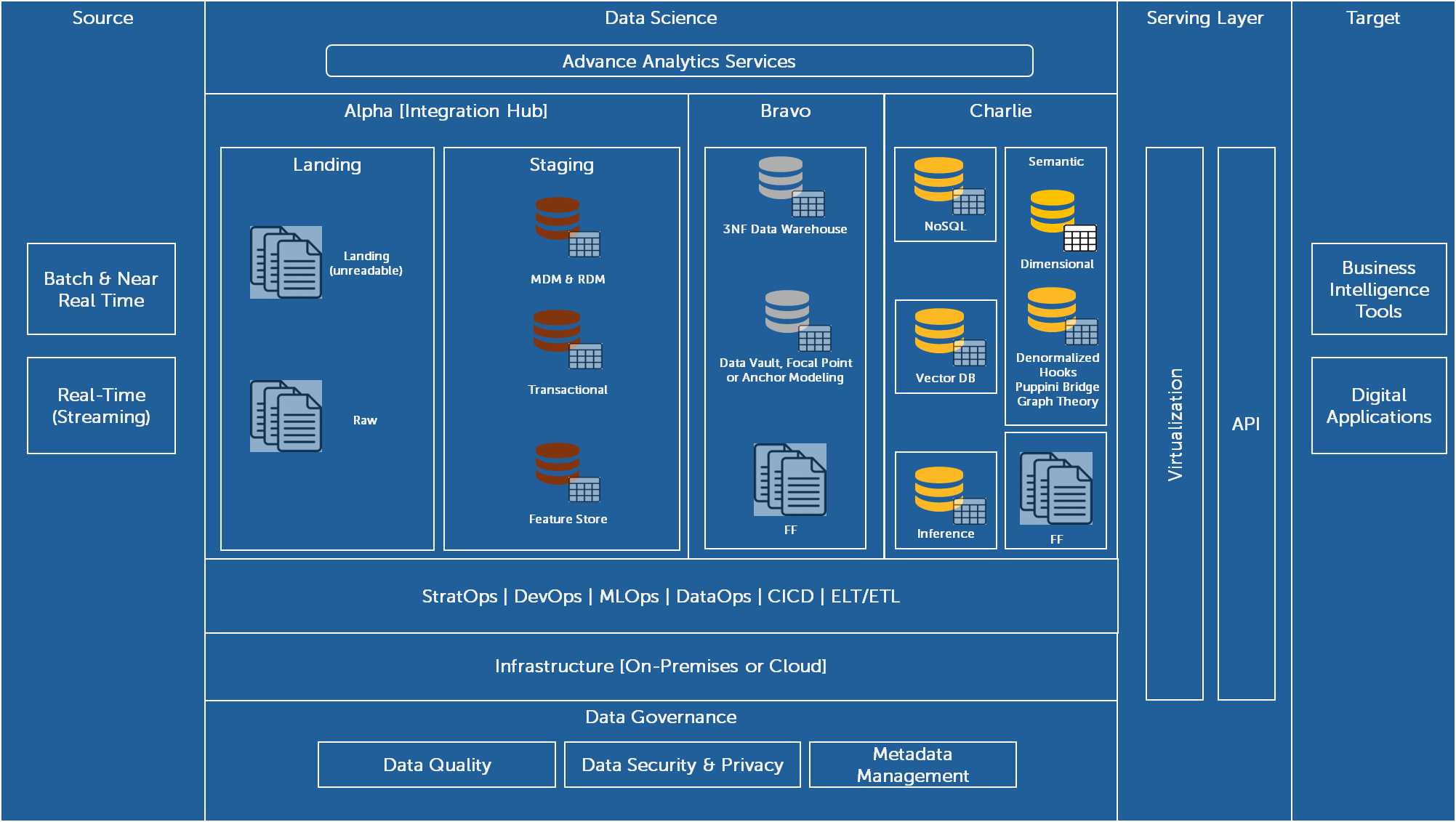
The Data and AI Cognitive (DAC) Architecture is a next-generation architecture designed as a unified framework that seamlessly supports both data and AI architectures which enable organizations to break down traditional silos between data and AI architectures, facilitating a scalable, and intelligent solution that drives efficiency and innovation.
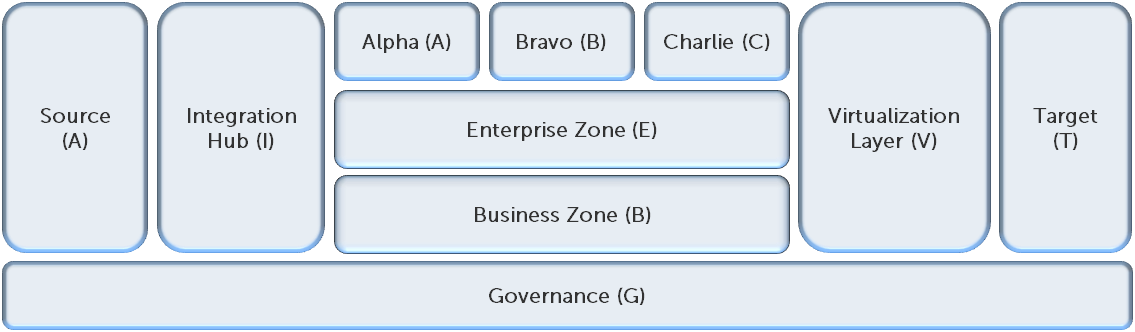
The DAC architecture integrates advanced capabilities, including a Unified Data & AI Architecture that streamlines workflows from data management to AI model deployment. It ensures Data Ownership & Accessibility by empowering stakeholders with secure, role-based data access, while maintaining strong governance for effective collaboration. The architecture also offers Scalability and Flexibility to manage large datasets and complex workloads efficiently, alongside Cost Segregation & Recovery mechanisms that allow for precise cost tracking, allocation, and optimization of resources. Interoperability enables seamless integration with existing systems, ensuring future-proofing and financial transparency.
The Data and AI Cognitive Architecture empowers organizations to leverage the full spectrum of data and AI capabilities in a unified approach, fostering innovation, reducing complexity, accelerating time-to-value, driving digital transformation, innovation, and a competitive edge in today’s data-driven economy.
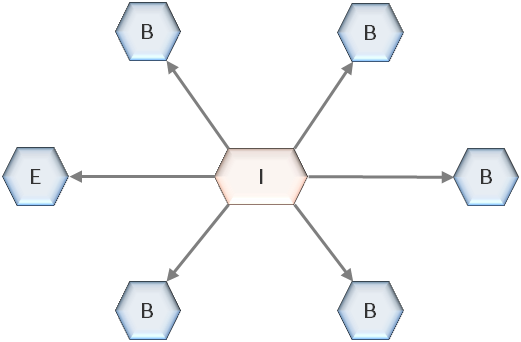
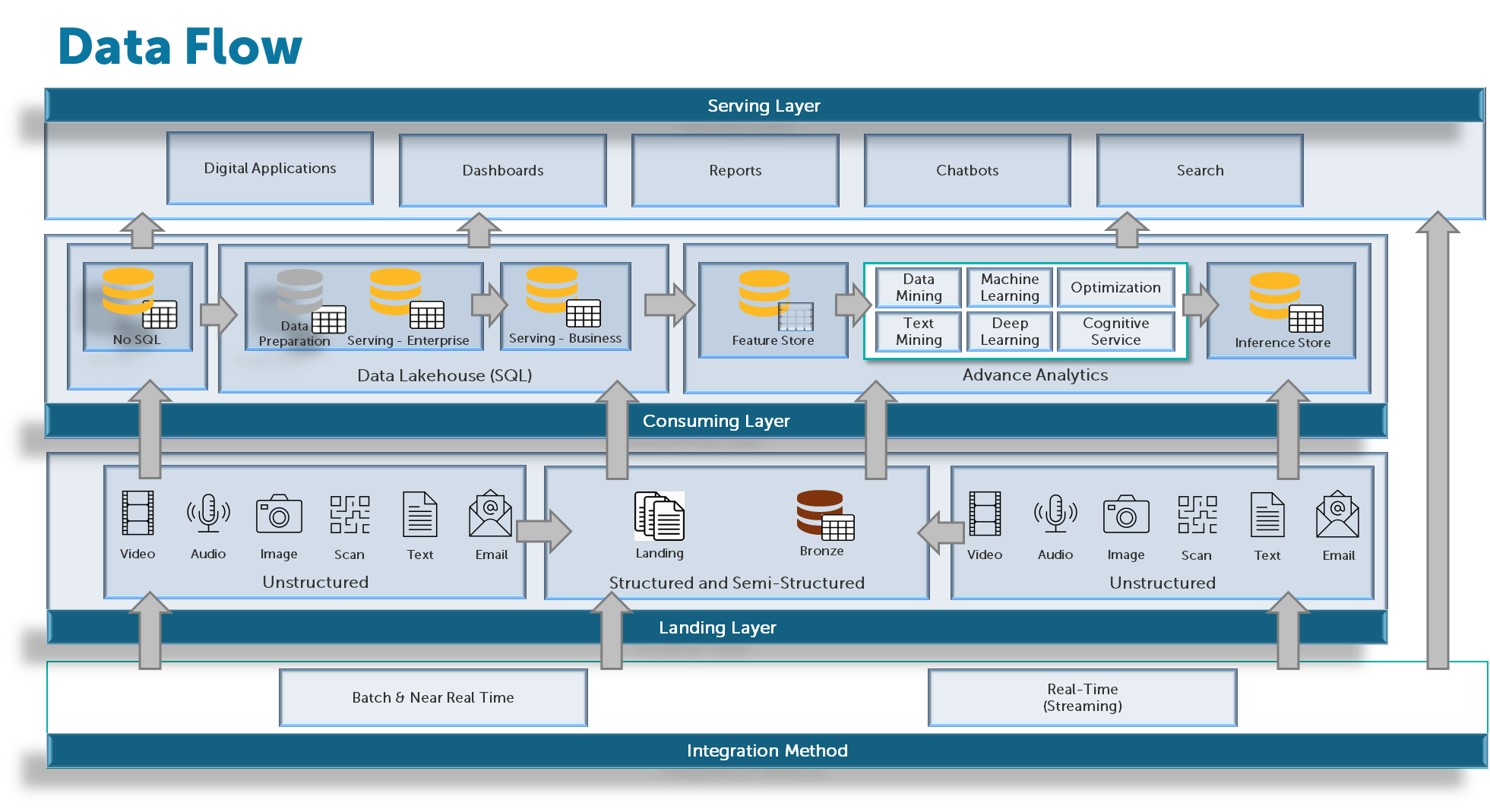
- The Integration Hub acts as a single source for data from multiple systems, allowing business units to access pre-integrated data without the need to build separate pipelines, thus enhancing efficiency.
- By establishing a single connection to each source system, the Integration Hub minimizes the risk of data leakage and vulnerabilities, promoting a secure and efficient data-sharing environment.
- The Integration Hub enforces consistent standards and policies for data management, allowing both data providers and consumers to evolve independently, thus avoiding disruptions and maintaining operational integrity.
Centralize Serving
The Virtualization Layer manages all read-only views across Enterprise & Business Zones, serving as a unified platform for data consumers.
- Individual Zone for Enterprise and Business connect to the Virtualization Layer, exposing data as required.
- It ensures seamless integration between the Virtualization Layer and Zones, enhancing data consistency and accessibility.
- The architecture allows for easy scalability by accommodating additional Zones.
- Provides centralized control over data access, security, and quality, while supporting decentralized use cases within individual Zone.
Centralize Data Governance
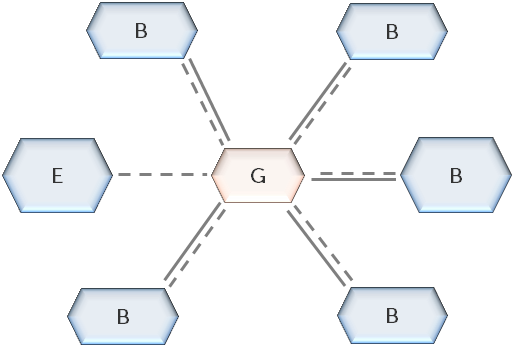
- The Centralized Data Governance Practice manages the BLUEPRINT for all standards and policies, metadata management, data quality management, privacy and security controls, and data lifecycle management for the Enterprise Zone (EZ) and Business Zones of (BZ).
- The EZ and BZ Data Governance Practices will each have their own dedicated Data Stewardships.
- The BZ Data Governance Practice will be responsible for its specific standards and policies, metadata, data quality, privacy and security controls, and data lifecycle management, adhering to best practices shared by the Centralized Data Governance.
- The Centralized Data Governance Practice will regularly evaluate and review EZ and BZ practices.
Finished reading? Test yourself with 10 questions on this topic.
Go to the questions →From I Am Datapedia! by Mustafa Qizilbash, published here free by the author. Nothing about your reading is stored.