Knowledge Hub
Learn free, at your own pace.
Self-paced learning from the trainer’s own published work, with topic self-checks — alongside, not instead of, our expert-led trainings.
Topics
383 topics
- 1. What is Data?
- 2. What is an Entity?
- 3. Entity Recognition
- 4. Tables, Columns and Rows
- 5. Primary and Foreign Keys
- 6. Types of Data
- 7. Good vs Bad Data
- 8. Causality Data
- 9. Inference Data
- 10. Master andReference Data Management
- 11. Metadata Management
- 12. Data vs Metadata
- 13. Active Metadata
- 14. Meta Metadata
- 15. Can Data be therewithout Metadata
- 16. How to SelectYour Metadata
- 17. Data Modelling
- 18. Data Modelling Layers
- 19. Business Modelling
- 20. Process Modelling (BPM)
- 21. BPMN(Business Process Model and Notation)
- 22. Domain-Driven Design (DDD) Modelling
- 23. Enterprise Data Modelling
- 24. Conceptual and Logical Architecture Modelling
- 25. Concept Modelling
- 26. Information Modelling (NIAM, ORM and FCO-IM)
- 27. NIAM Modelling
- 28. ORM Modelling
- 29. FCO-IM Modelling
- 30. Taxonomy Modelling
- 31. Ontology / Knowledge Modelling
- 32. Knowledge Graph Modelling
- 33. Metagraph Modelling
- 34. Canonical Data Modelling
- 35. Semantic Data Modelling
- 36. Conceptual Data Modelling (CDM)
- 37. Logical Data Modelling (LDM)
- 38. Physical Data Modelling (PDM)
- 39. What is Normalization?
- 40. What is Denormalization?
- 41. Deep Dive into Normalization Forms
- 42. UNF – Unnormalized Form
- 43. 1NF – First Normal Form
- 44. 2NF – Second Normal Form
- 45. 3NF – Third Normal Form
- 46. BCNF – Boyce–Codd Normal Form
- 47. 4NF – Fourth Normal Form
- 48. 5NF – Fifth Normal Form
- 49. 6NF – Sixth Normal Form
- 50. DKNF – Domain–Key Normal Form
- 51. Hierarchical Data Modelling
- 52. NETWORK DATA MODELLING
- 53. OBJECT-ORIENTED DATA MODELLING
- 54. NOSQL DATA MODELLING
- 55. DOCUMENT DATABASES
- 56. KEY–VALUE DATABASES
- 57. COLUMNAR (WIDE-COLUMN) DATABASES
- 58. GRAPH DATABASES
- 59. EVENT-DRIVEN DATA MODELLING
- 60. JSON / XML SCHEMA MODELLING
- 61. API / SERVICE DATA MODELLING
- 62. TEMPORAL DATA MODELLING
- 63. 3NF DATA MODELLING(BILL INMON)
- 64. DIMENSIONAL DATA MODELLING
- 65. WHAT IS A FACT Table?
- 66. WHAT IS A DIMENSION Table?
- 67. STAR SCHEMA
- 68. SNOWFLAKE SCHEMA
- 69. Data Vault MOdelling
- 70. Focal Point Data Modelling
- 71. Anchor Data Modelling
- 72. UNIFIED STAR SCHEMA (USS)
- 73. HOOK
- 74. METADATA MODELLING
- 75. SECURITY & ACCESS CONTROL MODELLING
- 76. AI / MACHINE LEARNING FEATURE MODELLING
- 77. Subjective andObjective Data Modelling
- 78. Data or Business Glossary
- 79. Data Dictionary
- 80. Data Catalog
- 81. Types of Architecture
- 82. Data Architecture
- 83. Medallion Architecture
- 84. Lambda Architecture
- 85. Kappa Architecture
- 86. Unified Data Architecture
- 87. Zero Trust Architecture
- 88. Neon-inspired architecture
- 89. On-Premises vs Cloud
- 90. IaaS(Infrastructure as A Service)
- 91. CaaS(Container as A Service)
- 92. PaaS(Platform as A Service)
- 93. FaaS (Function as A Service)
- 94. SaaS(Software as A Service)
- 95. DaaS (Data as A Service)
- 96. AAaaS(Advance Analytics as A Service)
- 97. Granularity
- 98. The Chasm and Fan Trap
- 99. Data Cardinality
- 100. Cartesian Data
- 101. Data Governance (DG)
- 102. Data Quality (DQ)
- 103. Data Deduplication
- 104. Data Observability
- 105. Data Lineage
- 106. Data Provenance
- 107. Data Classification,Categorization and Data Clustering
- 108. Data Categorization vsClassification
- 109. Data Segmentation
- 110. Data Labelling
- 111. Data Annotation
- 112. Data Entropy
- 113. Data Epistemology
- 114. Data Hierarchy
- 115. Data Anonymization/Data Pseudonymization/Data De-Identification
- 116. Data Identification
- 117. Data Generalization/Blurring and Specialization
- 118. Data Perturbation/ Data Swapping/Data Shuffling/Data Scrambling/Data Obfuscation
- 119. Static Data Masking (SDM)
- 120. Dynamic Data Masking (DDM)
- 121. Data Tokenization
- 122. Data Redaction
- 123. Data Pipelines
- 124. Data Transformation(ETL, ELT and ECL)
- 125. Reverse ETL
- 126. Data Conversion
- 127. Data Parsing orFormatting
- 128. CDC and Real-Time
- 129. ESP(Event-Stream Processing)
- 130. Data Security andData Privacy
- 131. DLP(Data Loss Protection/ Prevention)
- 132. Data Integrity
- 133. Data Compliance
- 134. Data Preservation
- 135. Data Sovereignty
- 136. Data Virtualization
- 137. Data Federation
- 138. Data Consolidation
- 139. Data Encryption andDecryption
- 140. Data Encoding and Decoding
- 141. Data Subsetting
- 142. Data or Web Scraping
- 143. Database and OLTP
- 144. Data Warehouse and Data Marts
- 145. OLTP 3NF vsData Warehouse 3NF
- 146. Immutable Data Warehouse
- 147. Logical Data Warehouse
- 148. Big Data
- 149. Data Lake
- 150. Big Data vs Data Lake
- 151. Data Lakehouse
- 152. Data Hub
- 153. Data Fabric
- 154. Delta Lake
- 155. Star Schema
- 156. Snowflake Schema
- 157. Galaxy Schema
- 158. OLAP - Cube
- 159. SQL and NoSQL Databases
- 160. Data Mesh
- 161. Data Swamp
- 162. HTAP
- 163. Data Room
- 164. Data Locality
- 165. Object, File and Block Storages
- 166. Hadoop Architecture
- 167. Hadoop, HDFS and Hive
- 168. Data Sprawl
- 169. Dark Data and Dormant Data
- 170. Data Detritus
- 171. Data Dividend
- 172. Data Assets
- 173. Data Liabilities
- 174. Data Citizens
- 175. Data Spread
- 176. Data Intuition
- 177. Big Data File Formats
- 178. Query Optimization
- 179. Index
- 180. Partitioning
- 181. Sharding
- 182. ACID
- 183. BaSE
- 184. DevOps(Development Operations)
- 185. CI/CD
- 186. DevSecOps(Development Security Operations)
- 187. DataOps(Data Operations)
- 188. Difference betweenDevOps and DataOps
- 189. MLOps
- 190. DLOps(Deep Learning Operations)
- 191. ModelOps(Model Operations)
- 192. ITOps (IT Operations)
- 193. AIOps(Artificial Intelligence Operations)
- 194. Data Science vsData Mining
- 195. Machine Learning vs Deep Learning
- 196. Supervised vsUnsupervised Learning
- 197. AI vs Data Science
- 198. Data Algorithms
- 199. Data Splitting forData Science
- 200. Feature Table inML Modelling
- 201. Data Scrubbing,Cleansing andCleaning
- 202. Data Dredging,Snooping,p-hacking, andFishing
- 203. Data Wrangling,Mangling orMunging
- 204. Data Enrichment
- 205. Data Democratization
- 206. Data Liberalization
- 207. Data Literacy
- 208. Data Driven Organization
- 209. Data Entitlement vsAuthorization
- 210. Authentication vsAuthorization
- 211. Data Self-Service
- 212. Business Intelligence andBusiness Analytics
- 213. Data Visualization
- 214. Data Blending andIntegration
- 215. Data Mashup
- 216. Data Harmonization
- 217. Data Discovery
- 218. Heat Map
- 219. Data vs Information vsKnowledge vsWisdom
- 220. Data Monetization
- 221. Hub-and-Spoke andPoint-to-Point
- 222. Critical Data Elements (CDE)
- 223. Data Ethics
- 224. Data Anomalies
- 225. Data Surfing
- 226. Semantic Layer
- 227. Augmented Analytics
- 228. Data Island
- 229. Data Silos
- 230. Data Synthetic or Mockup Data
- 231. SISD, SIMD, MISD and MIMD
- 232. Data Vectorization
- 233. Data Due Diligence
- 234. Data Maturity
- 235. Data Filtering
- 236. Data Validation
- 237. Data Inventory
- 238. Data Curation
- 239. Data Syndication
- 240. Data Supply Chain
- 241. DLM(Data Lifecycle Management)
- 242. Data Usability
- 243. Data Sharing
- 244. Data Aggregation
- 245. Data Profiling
- 246. Data Standardization
- 247. Geocoding
- 248. Data Matching and Linking
- 249. Data Serving or Serving Layer
- 250. Consumption Layer
- 251. MPP(Massive Parallel Process)
- 252. Canned Data
- 253. Canned Reports vs Adhoc Reports
- 254. Multidimensional eXpression(MDX)
- 255. Data Drift
- 256. Concept Drift
- 257. Scope Creep
- 258. Data Discrepancies
- 259. Data Skew Issue
- 260. Data Coupling
- 261. Data Imputation
- 262. Data Disambiguation
- 263. Data Fusion
- 264. Integration Hub
- 265. NLP
- 266. Data Strategy vs Data Management
- 267. Hype Cycle forData Management
- 268. Modern Data Stack
- 269. Why to define Success isimportant for Data Solution
- 270. PVP Approach
- 271. Data Backup and Mirroring
- 272. Data Integration
- 273. Data Integration andInteroperability
- 274. Data Abstraction Layer
- 275. Data Contextualization
- 276. Data Futurology
- 277. Data Interchange
- 278. Data Replication
- 279. Data Value Realization
- 280. Data Strategy vsData Implementation
- 281. Data Doom Pile
- 282. Data Collaboration
- 283. Data Tech Debt
- 284. Data Ownership vsData Governance
- 285. Data Archiving
- 286. Data Compression
- 287. Data Literacy Assessment
- 288. Data Sources
- 289. Data Warehouse vs Data Lake
- 290. Data Deactivation
- 291. Data Embargo
- 292. Data Streaming
- 293. Batch Processing
- 294. NewSQL
- 295. Delta Sharing
- 296. Cyber Security forData Solution
- 297. CDC vs CDC Framework
- 298. Slowly ChangingDimensions (SCD)
- 299. Text And EmbeddedVectorization
- 300. Concurrent vs MPP
- 301. Information Modelling
- 302. Standardization vsTransformation
- 303. Semantic Interoperability
- 304. POC,Prototype,Pilot/ MVP,Testing, andProd
- 305. POC
- 306. Prototype
- 307. Pilot or MVP
- 308. Productionized Solution
- 309. CRUD and CRAP
- 310. Accessibility and Visibility
- 311. Generative AI
- 312. ETLT
- 313. Synchronization andPropagation
- 314. Supertype and Subtype
- 315. ISO 55000/ 55001/ 550012/ 550013 For Data as Asset
- 316. ISO 11179For Metadata Management
- 317. ISO 3166For Locations
- 318. Basel Standards
- 319. Digitization andDigitalization
- 320. LLM(Large Language Model)
- 321. Type of Analytics
- 322. MRKL
- 323. FinOps
- 324. Testing vs QA
- 325. Difference between IT and Digital
- 326. Sandbox
- 327. House Keeping
- 328. SLA
- 329. Watermark
- 330. Views
- 331. Materialized View
- 332. External Tables
- 333. Loops
- 334. Aggregation Functions
- 335. UDF
- 336. Pseudocode
- 337. Syntax Error
- 338. Importance ofStaging Layer
- 339. GDPR
- 340. Web Service
- 341. ElectronicData Interchange (EDI)
- 342. Socratic Questions
- 343. Attribution Data Models
- 344. Incrementality inPerformance Marketing
- 345. Ontology-DrivenData Integration andHarmonization
- 346. The Operational Reference Model:Implementing Dynamic Information Models
- 347. Materialized View orTemporary Tables in SQL
- 348. ISO/IEC 27001 fromData Perspective
- 349. ILM – InformationLifecycle Management
- 350. Reference Architecture
- 351. Data Product
- 352. The Good, The Bad, and The Ugly
- 353. Data As A Product
- 354. Data Product Owner
- 355. Data Product Ownership
- 356. The Evolution ofData Products and it’s Ecosystem
- 357. Data Platform Gravity
- 358. Textual orContextual ETL
- 359. Graph
- 360. Graph Theory
- 361. Data Modellingwith Graph Theory
- 362. MetaGraph
- 363. Knowledge Graph (KG)
- 364. DAGs (Directed Acyclic Graphs) orExecuton Graph
- 365. DOGs (Data Object Graphs)
- 366. Difference BetweenMetaGraph,Ontology andTaxonomy
- 367. Data Wrapping
- 368. RAG(Retrieval-Augmented Generation)
- 369. Quantum Computing
- 370. Performance in Data Lake
- 371. Functional andNon-Functional Testing
- 372. Agentic AI
- 373. Data Storytelling
- 374. Data Contract
- 375. Data and AI Cognitive (DAC)Architecture
- 376. Lakebase
- 377. Corporate Data
- 378. Key Performance Indicators (KPI)
- 379. Objectives and Key results (OKR)
- 380. Management By Object (MBO)
- 381. KPI vs OKR vs MBO
- 382. Multi-Modal Data
- 383. Embeddings
Learn free
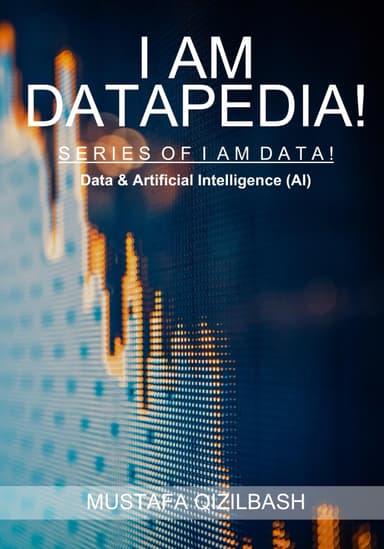
Learn from I Am Datapedia!
Every topic of the book, readable below, with a search box to find the one you need — 383 of them with a self-check at the end.
Self-checks on 383 topicsThe book on Amazon ↗
The source: I Am Datapedia! — Series of ‘I Am Data!’ — co-authored with Bill Inmon & Marco Wobben. By Mustafa Qizilbash.