Once you sign in, your details will show here.
Knowledge Hub
Your Reading List
Sign in to see your reading list.
Topics you save will appear here.
+ New Topic
Filter (1)
Sort
372 topics · Article · 10 shown
Show allEvery topic is free to read. A free account also lets you search the topics, react to a topic and comment under it.
- I Am Datapedia!
Data Storage and Operations
Data Backup and Mirroring
Data Backup and Mirroring are two terms that often cause confusion due to their similar nature, but they serve different purposes. Though both entail duplicating data, their goals differ. Let's delve into their distinctions.
Let’s decode it…..
Data Backup:
The main purpose of data backup is to safeguard information for future use, regulatory adherence, or data retrieval in the event of loss. Many contemporary databases possess built-in backup capabilities. For instance, in the banking sector of certain countries, regulations stipulate retaining customer and associated data for a minimum of seven years after the customer departs from the bank. Data pertaining to active customers is kept indefinitely.
It is important to note that not all data is necessary for operational or reporting purposes. Decision support systems often demand particular data, housed within active databases such as OLTP (Online Transaction Processing) and OLAP (Online Analytical Processing). The remaining data is backed up using technologies such as tape drives or affordable storage solutions like Object Storage. Backups can be performed on a daily, weekly, monthly, quarterly, semi-annual, or annual basis, and various methods and techniques exist for taking backups.
2 min readMore
- I Am Datapedia!
Data Integration and Interoperability
Data Integration
Data Integration is the action of combining data to extract meaningful information and business value.
If we become more technical, data integration is about exchanging content among systems and analyzing it to design decision support systems for business requirements.
Terminology
- A Data Integration Layer is a layer which integrates multiple source systems with target systems.
- A Back end is something which shares data and sources called as source system).
- A Connector is the component which connects source and target so they can share data among each other.
- A Front-End is a target system which utilizes the data for making decisions. It can be OLAP or a digital application.
- An Orchestration is a process in which defines when data will travel from source, when it will be transformed in the shape that target can understand and when it will push to target system.
In the previous diagram:
- The Web Application, the Mobile Application, the Front-End A are Front-Ends.
- The ERP, Legacy Tool, and Back-End B serve as back-end systems.
- To connect to ERP, Legacy tool and Back-End B, those can be connected via C1, C2 and C3, respectively.
3 min readMore
- I Am Datapedia!
Data Integration and Interoperability
Data Integration andInteroperability
Many people mistakenly assume that Integration and Interoperability are interchangeable terms, but they are actually quite different. While they work together, their nature and purpose are distinct.
Let’s decode these…..
Integration involves connecting systems and exchanging data to fulfill a range of objectives [Data Integration explained in different topics]. However, when data is shared between systems, it often requires translation to be understood by the receiving party. Despite the successful integration of systems, these translations conflict with the essence of interoperability.
Interoperability, on the other hand, is the ability to understand data without the need for translation. When two or more systems are linked and exchange data seamlessly without requiring translation for comprehension by the receiving parties, it signifies the presence of interoperability. A notable instance of interoperability is evident in the medical domain, where various hospitals can readily interpret key terms and codes within shared data, whereas an average individual may struggle to do so.
1 min readMore
- I Am Datapedia!
Data Architecture
Data Abstraction Layer
A Data Abstraction Layer (DAL) is like a special helper in computer science and software engineering. It's a layer of code that keeps the tricky details of how data is stored or used, separate from the rest of the software.
Here are some important things to know about a Data Abstraction Layer:
- Abstraction: It means hiding all the complicated stuff about storing data behind a simpler way of working with it. This makes it easier for developers to handle data without worrying too much about the nitty-gritty details.
- Separation of Concerns: The Data Abstraction Layer helps keep things organized by separating how data is stored from how the software works. This makes the software easier to understand and take care of.
- Consistent Interface: The layer provides a set of clear rules that the rest of the software follows to work with the data. This is helpful because it keeps the software running smoothly even if the way data is stored changes.
- Adaptability: The Data Abstraction Layer acts like a shield, protecting the software from changes in how data is stored. So, if the way data is kept in the computer changes, only the Data Abstraction Layer needs to be adjusted, and the rest of the software can stay the same.
- Security and Validation: The Data Abstraction Layer also looks out for the security of the data. It makes sure that data is handled in a safe and controlled way.
2 min readMore
- I Am Datapedia!
Metadata
Data Contextualization
Data Contextualization has emerged as a critical factor in dealing with and summarizing vast, rapidly changing, and diverse unstructured datasets. Let's break it down.
We all understand the concept of context. For instance, when you're about to commence a meeting with management, you begin by acknowledging them and stating the purpose of the meeting. This establishes the context, ensuring that the audience knows what to expect and how to interpret the upcoming presentation.
Similarly, in the realm of data, Data Contextualization has become a fundamental process, especially when extracting insights from unstructured data. Unstructured data typically contains a substantial amount of information that is irrelevant to decision-making. The relevance of a data element may vary depending on the specific decision being made.
Here's why Data Contextualization is essential:
- Filtering Irrelevant Data: It eliminates irrelevant data, reducing the overall volume of data. This, in turn, simplifies data processing, cleaning, transformation, and maintenance.
- Enhancing Decision-Making: By contextualizing data, you can combine external data with internal data, providing a more comprehensive foundation for decision-making.
- Providing Clarity: It offers a clear rationale for the data, making it easier to comprehend and analyze.
- Adding Points of Interest: Data Contextualization allows for the inclusion of relevant insights or points of interest about the data, facilitating better understanding.
2 min readMore
- I Am Datapedia!
Others
Data Futurology
Foresight and Futurology are used interchangeably. And yes you are right this new term is not something we have never encountered before.
Let’s decode it…..
Data: Refers to information, facts, or statistics collected for analysis, reference, or computation.
Futurology: It's the study or soothsaying of possible futures. It involves examining current trends and making prognostications about unborn developments.
Combining these," Data Futurology" suggests concentrating on the future of data, in terms of how data is collected, reused, anatomized, and its impact on colorful aspects of society or technology.
Let go little deeper about conception of" Data Futurology," which involves the study and soothsaying of possible futures related to data.
Let's break it down:
- Study or Forecasting of Possible Futures
- This refers to the practice of examining current trends and making predictions about future developments. It involves analyzing data and information to anticipate how various aspects of a particular field might evolve over time.
- Data Futurology
- This term specifically focuses on the future of data. It encompasses the entire data lifecycle, including how data is collected, processed, and analyzed. Additionally, it explores the potential impact of data on different aspects of society and technology.
2 min readMore
- I Am Datapedia!
Data Integration and Interoperability
Data Interchange
Data Interchange refers to the electronic exchange of information or data between different computer systems, applications, or software. It involves the transmission and reception of structured data to enable seamless communication and integration between disparate systems.
Few Key Points:
- Structured Data Exchange: Data interchange involves the exchange of structured data, often in a standardized format that both the sending and receiving systems can understand.
- Cross-Platform Communication: It facilitates communication between diverse platforms, applications, or software that may have different data structures or operate in distinct environments.
- Standards and Formats: To ensure interoperability, data interchange often relies on industry standards and common formats. Examples include XML (eXtensible Markup Language), JSON (JavaScript Object Notation), or specific data exchange standards in various industries.
- Facilitates Integration: Data Interchange plays a crucial role in integrating different systems and enabling them to work together cohesively. It allows for the sharing of information between applications, databases, or even organizations.
2 min readMore
- I Am Datapedia!
Data Storage and Operations
Data Replication
Data Replication is the process of creating and maintaining multiple copies of the same dataset in different locations or systems. The goal is to ensure data availability, improve fault tolerance, and enhance performance by distributing data across various storage locations. Replicated data can be synchronized in real-time or at scheduled intervals to keep the copies consistent.
For example, imagine you and your classmates are working on a group project, and you need to share a document with everyone. Instead of having a single copy stored on one person's computer, you decide to use data replication to ensure that everyone has access to the most up-to-date version.
Here's how it works:
- Initial Copy: You create a document on your computer with the project details. This is the initial copy.
- Replication: You decide to replicate the document by making copies and distributing them to each group member. Now, everyone has their own copy of the document.
- Changes and Updates: As the project progresses, different group members make changes to their copies based on their contributions. For example, one person adds information about research findings, another updates the formatting, and so on.
- Synchronization: Periodically, or when major changes occur, you decide to synchronize the copies. This means that everyone shares their updates, and each person gets the latest version of the document. This ensures that all copies are consistent and reflect the most recent changes.
2 min readMore
- I Am Datapedia!
Data Governance
Data Value Realization
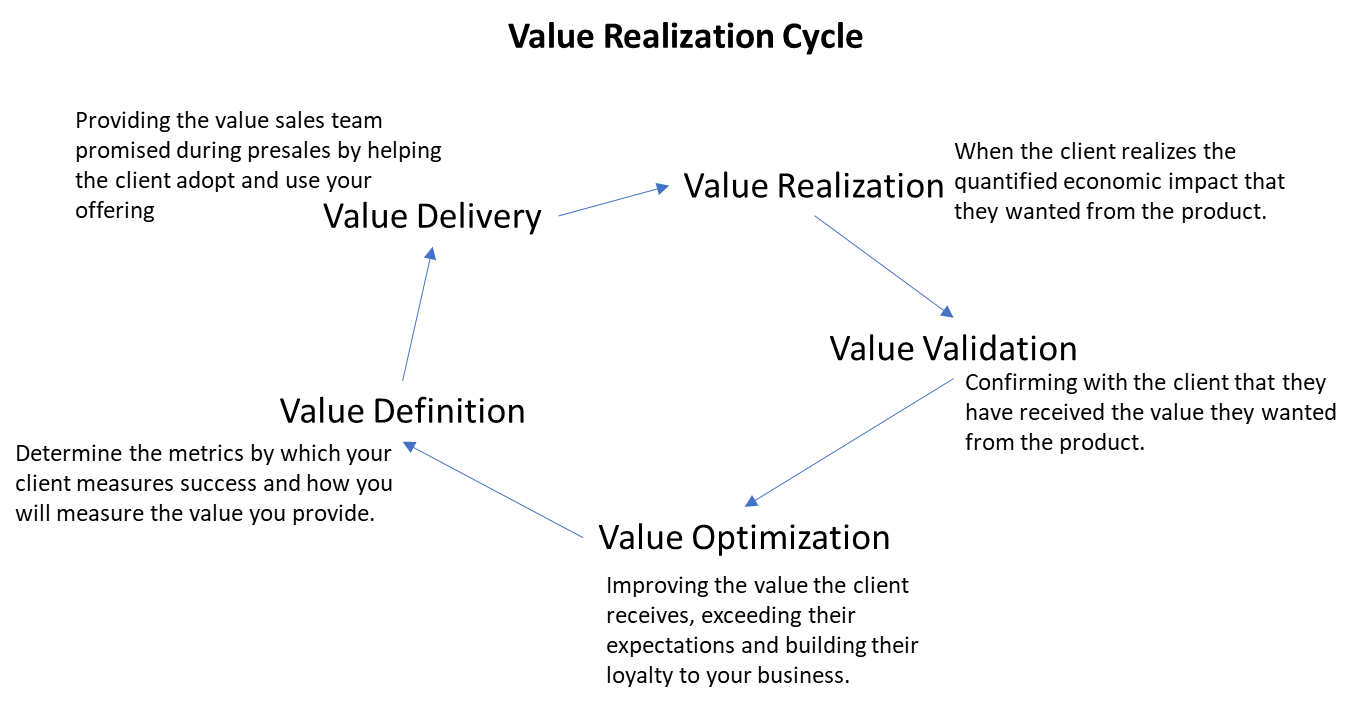
Data Value Realization refers to the importance, usefulness, or significance of data in achieving organizational goals or objectives.
It implies the actualization or fulfillment of something. Putting these together, "Data Value Realization" suggests the process or action of actualizing or realizing the value inherent in data. This involves strategies, practices, or initiatives aimed at leveraging data to achieve tangible benefits or outcomes.
- Effective Use of Data: Implementing practices to ensure that data is effectively used to derive insights, make informed decisions, and drive positive outcomes.
- Monetization of Data: Extracting economic value from data, for example, by identifying opportunities for new revenue streams or cost savings through data-driven initiatives.
- Achieving Business Objectives: Aligning data initiatives with broader business goals and realizing the value of data in achieving those objectives.
- Enhancing Decision-Making: Utilizing data to enhance decision-making processes, optimize operations, and improve overall business performance.
4 min readMore
- I Am Datapedia!
Data Governance
Data Strategy vsData Implementation
Data Strategy refers to the overarching plan and vision that an organization establishes to manage, govern, and leverage its data assets effectively. It is a high-level, long-term approach that aligns data initiatives with business objectives. It emphasizes the organization's goals, priorities, and desired outcomes related to data. It involves understanding the value of data, defining data governance practices, establishing data quality standards, and aligning data initiatives with business strategies.
Key Components:
- Vision and Objectives: Defines the purpose and goals of leveraging data within the organization.
- Governance Framework: Establishes policies and procedures for managing and securing data.
- Data Quality Standards: Sets guidelines for ensuring accuracy, completeness, and reliability of data.
- Data Lifecycle Management: Defines how data is created, stored, used, and retired over time.
- Technology Roadmap: Outlines the technologies and infrastructure needed to support data initiatives.
3 min readMore
Build a strong foundation in Data & AI
Follow the Data Foundations learning path (Beginner to Advanced).