Once you sign in, your details will show here.
Knowledge Hub
+ New Topic
Filter (2)
Sort
48 topics · Data Governance · Intermediate · 10 shown
Show allEvery topic is free to read. A free account also lets you search the topics, react to a topic and comment under it.
- I Am Datapedia!
Data Governance
Data Supply Chain
Data Supply Chain is not a data capability rather a process.
Just like generic supply chain, Data Supply Chain works in the same manner where it starts from Source Data Stage 🡪 Transformation and Integration Stage 🡪 Consumption Stage
- Source Data Stage is the first stage where raw data is planned and identified i.e., OLTP systems.
- Transformation and Integration Stage is where data is converted based on business requirement in-shape of Data Lake Systems or Data Warehouses
- Consumption Stage is where data is store for business use in-shape of Data Lake Systems or Data Warehouses (OLAP systems) or Semantic Layer etc.
Data Supply Chain is a very critical operational process to manage Data Asset and Liabilities. In the absence of visibility on Data Supply Chain, organization cannot plan ROI as well as TTM which is critical for the Data Monetization.
Note: Data Assets, Data Liabilities and Data Monetization all are explained in separate topics.
2 min readMore
- I Am Datapedia!
Data Governance
DLM(Data Lifecycle Management)
Data Lifecycle Management (DLM) is mostly confused with Data Supply Chain which is not 100% correct.
Data Lifecycle Management is about the process from where data was generated till it was removed from the systems whereas Data Supply Chain is about where data come from and where it goes.
There are many sets of steps for Data Lifecycle management, we will be looking into the most commonly used.
Steps in Data Lifecycle Management (DLM)
- Data Generation means the channel where data is getting generated e.g., mobile application, CRM, ERP, HRM, CCTV, Social-Media, Audio(s), Emails, Word document, PDF, Images, Scans etc.
- Data Processing means, what are the business rules based on which raw data is transformed in required format which can be via ETL or ELT or via Data Mining or Data Science Machine Learning Modelling etc.
- Data Reconciliation, Presentation and Utilization means how transformed data is matched with raw data then how it’s been shown on Reports and Dashboard, and lastly for what purpose it has been used.
- Data Storage Lifespan and Extraction means, for how long the data will be kept and what are the means to extract it which can be manual or can be via automated tools.
- Data Removal means how data has been removed and based on which criteria(s).
2 min readMore
- I Am Datapedia!
Data Governance
Why to define Success isimportant for Data Solution
What does "success" mean, and why is it so important to have a clear idea of it when dealing with data solutions?
Success is like reaching a goal or doing something well. When we talk about data solutions, which are ways to manage and use information, it's crucial to know what success looks like. Imagine trying to win a game without knowing the rules or score. Defining success in data solutions helps us understand if we are doing things right, meeting our goals, and making the most of our information. It is like having a map to guide us on the path to doing a great job with data.
Let's break it down further:
- Understanding Success: Success, in general, means achieving a goal or doing something well. It's like hitting a target or accomplishing what you set out to do.
- Applying Success to Data Solutions: In the context of data solutions, we're talking about ways to handle and use information effectively. This could include tasks like collecting, organizing, and analyzing data.
- Importance of Defining Success: Think of it as setting clear rules for a game or knowing the score you want to achieve. Defining success in the world of data solutions helps us clarify what we're trying to achieve and how we'll know when we've achieved it.
- Setting Goals: When you define success for data solutions, you're essentially setting goals. These goals could be related to accuracy, efficiency, security, or other aspects of managing data.
- Monitoring Progress: Knowing what success looks like allows you to keep track of how well you're doing. It's like having a map that shows you where you are on your journey and how far you are from your destination.
- Making Informed Decisions: With a clear definition of success, you can make informed decisions. You know what you're aiming for, so you can choose the best strategies and tools to get there.
- Continuous Improvement: Defining success isn't a one-time thing. It's an ongoing process. You can adjust your goals as needed and keep improving your data solutions over time.
3 min readMore
- I Am Datapedia!
Data Governance
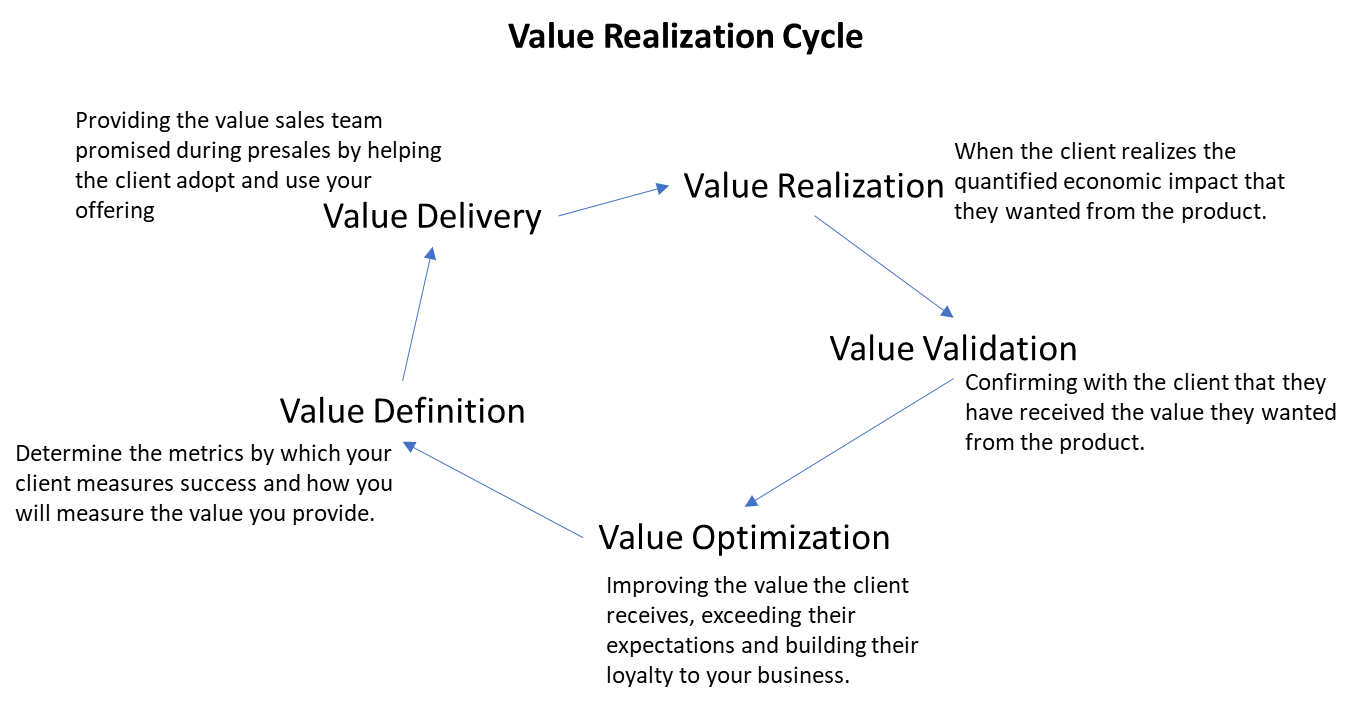
Data Value Realization
Data Value Realization refers to the importance, usefulness, or significance of data in achieving organizational goals or objectives.
It implies the actualization or fulfillment of something. Putting these together, "Data Value Realization" suggests the process or action of actualizing or realizing the value inherent in data. This involves strategies, practices, or initiatives aimed at leveraging data to achieve tangible benefits or outcomes.
- Effective Use of Data: Implementing practices to ensure that data is effectively used to derive insights, make informed decisions, and drive positive outcomes.
- Monetization of Data: Extracting economic value from data, for example, by identifying opportunities for new revenue streams or cost savings through data-driven initiatives.
- Achieving Business Objectives: Aligning data initiatives with broader business goals and realizing the value of data in achieving those objectives.
- Enhancing Decision-Making: Utilizing data to enhance decision-making processes, optimize operations, and improve overall business performance.
4 min readMore
- I Am Datapedia!
Data Governance
Data Strategy vsData Implementation
Data Strategy refers to the overarching plan and vision that an organization establishes to manage, govern, and leverage its data assets effectively. It is a high-level, long-term approach that aligns data initiatives with business objectives. It emphasizes the organization's goals, priorities, and desired outcomes related to data. It involves understanding the value of data, defining data governance practices, establishing data quality standards, and aligning data initiatives with business strategies.
Key Components:
- Vision and Objectives: Defines the purpose and goals of leveraging data within the organization.
- Governance Framework: Establishes policies and procedures for managing and securing data.
- Data Quality Standards: Sets guidelines for ensuring accuracy, completeness, and reliability of data.
- Data Lifecycle Management: Defines how data is created, stored, used, and retired over time.
- Technology Roadmap: Outlines the technologies and infrastructure needed to support data initiatives.
3 min readMore
- I Am Datapedia!
Data Governance
Data Doom Pile
In the data world, a "DATA DOOM PILE" is likened to a collection of unorganized or miscellaneous data items that need attention and organization. It's comparable to the concept of having a repository for data that requires sorting, cleansing, or processing at a later time. Similar to how individuals have physical spaces like a junk drawer or cluttered area for miscellaneous items, in the data context, there are repositories, folders, or databases where unstructured or unprocessed data accumulates before being properly managed or analyzed. These are referred to as "data doom piles," reflecting the need for organization and attention in the data management process.
In the data world, a "DATA DOOM PILE" is like a virtual space where various pieces of unorganized data accumulate, waiting to be properly sorted and managed.
Let's explore this concept with examples that we can relate to:
- Unsorted Data Files on a Computer: Imagine you have a folder on your computer called "Data Doom Pile." In this folder, you may have random files, photos, or documents that you haven't organized yet. These could be data from school projects, downloaded files, or photos from your camera that need categorization.
- Uncategorized Emails in Your Inbox: Think of your email inbox as a "Data Doom Pile." You receive various emails with attachments, links, and information. Some of these emails may be important, but others are just sitting there, waiting to be categorized, archived, or deleted.
- Unprocessed Survey Responses: Suppose you conducted a survey with classmates, and their responses are in a spreadsheet. If you haven't yet analyzed or organized the data to draw conclusions, that spreadsheet can be considered a "Data Doom Pile" of survey responses.
- Raw Data from Science Experiments: In a science class, after conducting experiments and collecting data, you might have a notebook or digital file with raw data. Before you analyze and present your findings, raw data represents a "Data Doom Pile."
- Images in an Unorganized Gallery: If you have a collection of photos on your phone or computer that you haven't sorted into albums or categorized, that assortment can be your "Data Doom Pile" of images.
- Unprocessed Sensor Readings: In a science or engineering project involving sensors, you might collect data from various sensors. If you haven't yet processed or interpreted those readings, the dataset can be viewed as a "Data Doom Pile" waiting for analysis.
3 min readMore
- I Am Datapedia!
Data Governance
Data Collaboration
Data Collaboration in the data world refers to the practice of sharing and working with data across individuals, teams, departments, organizations, or even between different systems to achieve common goals, solve problems, or generate insights. It involves cooperative efforts in handling, analyzing, and deriving value from data assets. Data Collaboration is essential for fostering innovation, improving decision-making, and addressing complex challenges that may require diverse perspectives and expertise.
Key aspects of Data Collaboration include:
- Sharing Data: Organizations and individuals share data sets, information, or insights with one another. This can include internal data sharing within an organization or external sharing between different entities.
- Interdisciplinary Cooperation: Data Collaboration often involves collaboration between individuals with diverse skills and expertise. For example, data scientists, analysts, domain experts, and business professionals may collaborate to extract meaningful insights from data.
- Data Integration: Integrating data from various sources to create a unified view. This could involve merging datasets, connecting databases, or using middleware to facilitate seamless data exchange.
- Secure Data Exchange: Ensuring that data sharing is done securely and in compliance with privacy regulations. This involves implementing measures to protect sensitive information during the collaboration process.
- Open Data Initiatives: Participation in open data initiatives where organizations contribute and access shared datasets for the benefit of the wider community or industry.
- Cross-Functional Projects: Collaborative projects that span different functions or departments within an organization. For example, marketing, finance, and operations teams working together on a data-driven project.
- Data Standards and Governance: Establishing data standards and governance practices to ensure consistency, quality, and reliability of shared data. This helps in maintaining trust among collaborators.
3 min readMore
- I Am Datapedia!
Data Governance
Data Tech Debt
Technical Debt, often abbreviated as "tech debt," is a metaphorical concept in software development that refers to the implied cost of additional work created when software is built or modified in a way that prioritizes short-term goals or speedy delivery over long-term sustainability. It is similar to financial debt, where you borrow money with the understanding that you will pay it back with interest.
Technical debt arises when developers choose a quick and easy solution that may solve an immediate problem but is not necessarily the best or most efficient in the long run. This can result from factors such as tight deadlines, evolving requirements, or a need for rapid prototyping.
There are several types of technical debt, including:
Code Debt: Poorly written or poorly structured code that might work but is difficult to understand, maintain, or extend.
Design Debt: Rushed or inadequate system or software architecture that may lead to inefficiencies, difficulties in adding new features, or challenges in maintaining the system.
6 min readMore
- I Am Datapedia!
Data Governance
Data Ownership vsData Governance
Data Ownership and Data Governance are related concepts in the broader field of data management, but they refer to different aspects of handling and overseeing data within an organization.
Let's explore the distinctions between data ownership and data governance:
Data Ownership: It is the concept that defines the rights and responsibilities associated with data. It specifies who has control over the data, including the authority to make decisions regarding its collection, storage, access, and usage.
- It is often tied to individuals or organizational units within a company.
- The data owner is accountable for ensuring that data is handled in compliance with relevant laws, regulations, and internal policies.
- It is more focused on the "who" aspect of data control, determining who has the ultimate say over the data.
Data Governance: It is a broader framework and set of practices that ensure high data quality, availability, usability, and security within an organization. It involves the establishment of policies, procedures, and roles to manage and control data throughout its lifecycle.
2 min readMore
- I Am Datapedia!
Data Storage and Operations
Data Deactivation
In general terms, deactivation often implies the action of making something inactive or turning it off. In the context of data, this refers to the intentional process of rendering certain data inactive, which involves restricting access, archiving, or taking it out of active use. Here are a few possible interpretations, but it's important to consider the specific context in which you encountered the term:
- Archiving or Disabling Data: Data deactivation refers to archiving data or making it temporarily inactive. This could be done for various reasons, such as compliance with data retention policies or reducing the storage load.
- User Account Deactivation: In the context of user accounts, data deactivation means disabling or deactivating a user account, preventing further access or updates to associated data.
- Temporary Suspension: It refers to a temporary suspension or deactivation of certain data processing activities for maintenance, security, or other reasons.
- Here are a few examples of scenarios where a similar concept might be applied:
- Archiving Inactive Customer Records: In a customer database, records of customers who haven't engaged with the business for an extended period might be archived or deactivated. This involves making the data inactive, but it is still retained for historical or compliance purposes.
- Account Deactivation: When an employee leaves a company, their user account in the company's systems may be deactivated. This deactivation prevents the former employee from accessing company data and systems.
- Temporary Suspension for Maintenance: A web application might temporarily deactivate certain features or services for maintenance or updates. During this period, certain data-related functionalities could be temporarily disabled.
- Data Retention Policies: Organizations might have data retention policies that specify when certain types of data should be deactivated, archived, or permanently deleted. This ensures compliance with regulations and reduces storage costs.
- Disabling Inactive Products or Services: In an e-commerce system, products or services that are no longer offered or are inactive may be flagged as such. This deactivation prevents customers from making new purchases of those items.
- Temporary Data Deactivation for Security Reasons: In the event of a security incident, certain data access might be temporarily deactivated to prevent unauthorized access. This could involve suspending certain user accounts or restricting access to sensitive information.
2 min readMore
Build a strong foundation in Data & AI
Follow the Data Foundations learning path (Beginner to Advanced).